

As an Amazon Associate we earn from qualifying purchases. If you buy through links on this page we may receive a commission at no extra cost to you. Product details come from Amazon listings and can change.
Finding the best kids calculators is easier when you know what the child will actually do with one. A first grader checking sums at the kitchen table needs something different from a sixth grader finishing a long homework set. This guide covers eight options for children aged 6 to 12, including solar desktop models, a pocket size pick, a model with an erasable notepad and one math practice toy.
Each pick is described from its listing details, with honest notes on who it suits and where it falls short. We explain display size, power type, key feel and why a basic calculator is usually the right first step for kids. Parents, grandparents and teachers shopping for a school year can use the buying guide and the FAQ to narrow the choice.
Prices and stock change often, so this page does not quote them. The links lead to live listings where you can check the current price, size, power details and delivery window before you decide.
Key Takeaways
Best Kids Calculators at a Glance
| Product | Our score | |
|---|---|---|
| Desk Calculator with Erasable LCD Notepad Best Overall for Homework Help |
9.2 / 10 | Check Price |
| Mechanical keyboard feel, 12-digit large LCD Best for Typing Style Keys |
9.2 / 10 | Check Price |
| CATIGA Desktop Calculator 8 Digit with Best Solar Desktop Pick |
9.4 / 10 | Check Price |
| Basic Standard Calculators Small Digital Desktop Best Dual Power Basic Desktop |
9.0 / 10 | Check Price |
| Battery Desk Calculator – 12 Digit Best Extra Large Display |
9.2 / 10 | Check Price |
| 10 Digits LCD Display, Hot Pink Best Pocket Size Pick in Hot Pink |
8.8 / 10 | Check Price |
| Pink Mini Solar 4 Function Calculator Best Mini Solar Starter |
9.2 / 10 | Check Price |
| Practicing Addition, Subtraction, Multiplication Best Math Practice Toy |
9.0 / 10 | Check Price |
How We Chose the Best Kids Calculators
This is a research based guide, not a lab comparison. Every product was selected by reading listing titles and feature details, checking which power types and display sizes are described, and balancing the list across desktop, pocket and practice style tools. Safety and age fit were considered where the listing gives clues, and we flag spots where the text is shortened.
Each pick also carries an editorial score out of 10 shown on the site, built from its features, specs and how well it fits a child’s use case. The score is a summary of fit, not a claim about durability. Always confirm size, power type and included parts on the live listing before ordering.
In-Depth Reviews
1. Desk Calculator with Erasable LCD Notepad: Best Overall for Homework Help

Our score: 9.2/10 iOur editorial score (1 to 10), based on listing specs, features and how well each pick fits its use case. It is not an Amazon customer rating.
Desktop basic calculator Erasable LCD notepad Aimed at middle school ROATEE brand
The ROATEE desk calculator takes the top spot in this guide because it pairs a familiar basic calculator with an erasable LCD notepad, and the listing says it is meant for middle school students. That combination suits the older end of the kids range, where homework has more steps and a child often wants to jot a number down before it is forgotten. It is a desktop style unit, so it feels like a real study tool instead of a toy. Parents who like tidy study spaces will notice that a built in writing panel can replace the stray sticky notes that often surround a homework station.
According to the listing, this model is a basic desktop calculator with an erasable LCD notepad built in. A basic calculator handles the four everyday operations, which is exactly what most elementary and early middle school worksheets ask for. The notepad is a small writing panel on the device that can be cleared with a press, so scribbled reminders do not pile up as scrap paper around the desk. Think of it as a bridge between paper work and screen work, because the child still writes by hand but gets a quick digital check.
This pick suits children around ages 9 to 12 who already know their math facts and want to check long addition, multi digit multiplication or division answers. It teaches a good habit: work the problem on paper, then confirm with the machine. The notepad can hold a carried number or a partial answer, which supports organized thinking rather than random button pressing during a homework session. Pair it with a regular notebook so the notepad stays a short term memory aid rather than the only record of the work.
A few cautions apply. The listing text we have is shortened, so check the product page for the power source, size and exact features before buying. A basic model will not do fractions, graphing or algebra, so a student heading toward advanced classes may later need a different tool. Teachers sometimes limit devices in class, so confirm the school supply list first. Because shopping lists change, read the full description for dimensions, power and whether any extras ship with it, then compare it with the solar picks below.
2. Mechanical keyboard feel, 12-digit large LCD: Best for Typing Style Keys

Our score: 9.2/10 iOur editorial score (1 to 10), based on listing specs, features and how well each pick fits its use case. It is not an Amazon customer rating.
12 digit large LCD Mechanical keyboard feel Responsive buttons For teachers and students
This calculator earns its place by focusing on how the keys feel. The listing says it offers a mechanical keyboard feel, a 12 digit large LCD and responsive buttons, and that it is made for teachers and students. For a child who rushes and mashes keys, firm, clearly felt presses can make it easier to know whether a number actually went in. Anyone who has watched a child hunt for the right key will see why a confident press matters, since it cuts down on repeated entries.
The display is the other headline feature. Twelve digits give plenty of room for long sums, big multiplication results and numbers with several places, and the word large in the listing suggests the digits are easy to read from a normal seated distance. A larger readout helps children who squint at tiny screens or who sit a little further from the desk. Reading numbers aloud while entering them is a nice habit to build, and a clear display makes that routine easier to follow.
It fits kids who spend real time on math, such as a sixth grader moving from simple worksheets to word problems with big figures. It also works for a family where a parent and child share one calculator for budgeting games or allowance tracking. Because the layout is standard, the skills carry over to any basic calculator a teacher might hand out in class. Teachers also appear in the listing language, which hints that the layout is meant to feel familiar in a classroom as well as at home.
Keep expectations realistic. A key feel described as mechanical may be louder in a quiet classroom or a library, so think about where it will be used. The listing text is cut short, so look at the full page for the power type, dimensions and whether solar panels are included. Younger children may find a desk sized unit bulky in a backpack. If the noise level worries you, ask the child to try it somewhere quiet first, then decide whether it belongs at a shared table or only in a bedroom study area.
3. CATIGA Desktop Calculator 8 Digit with: Best Solar Desktop Pick

Our score: 9.4/10 iOur editorial score (1 to 10), based on listing specs, features and how well each pick fits its use case. It is not an Amazon customer rating.
8 digit LCD Solar power Big buttons Desktop size
The CATIGA desktop calculator is the solar powered choice for families who do not want to think about battery changes. The listing describes an 8 digit calculator with solar power, an easy to read LCD display and big buttons, aimed at home use among other settings. For children, that mix of a clear screen and large keys keeps the learning curve gentle. Its straightforward design makes it a calm choice for a parent who wants one dependable tool rather than a drawer full of gadgets.
Eight digits is enough for nearly everything a child meets in elementary school, from adding allowance savings to multiplying two digit numbers. Solar power means a built in panel does the work in normal room light, so a drained battery is less likely to interrupt homework. Check the listing for any backup battery detail, because it is not spelled out in the short text we have. Children can learn the habit of clearing the screen between problems, which is easier when the buttons are big and well separated.
This is a strong match for ages 6 to 9 who are just starting to use a calculator to check their own work. Big buttons are easier for small fingers and help avoid hitting two keys at once. Parents can set it on a kitchen table or desk as a shared family tool, which keeps it from vanishing into backpacks and bedrooms. A short weekly routine, such as checking the allowance total together, gives the calculator a real life purpose beyond worksheets.
A solar calculator needs some light to wake up, so a dim corner or a bedroom at night may be less reliable than a sunny table. The device is desktop sized, so it is better left at home than carried every day. If a child needs a pocket option for school, one of the compact picks later in this list may fit better. If the child studies in several rooms, keep a small note on the unit that says where it lives so it returns to the same shelf every evening.
4. Basic Standard Calculators Small Digital Desktop: Best Dual Power Basic Desktop

Our score: 9.0/10 iOur editorial score (1 to 10), based on listing specs, features and how well each pick fits its use case. It is not an Amazon customer rating.
8 digit LCD Battery and solar Small digital desktop Basic standard layout
Here is a straightforward basic desktop calculator that mentions two power sources in its title: battery and solar. The listing calls it a small digital desktop calculator with an 8 digit LCD display. It makes the list because a dual power design is forgiving, which matters when a child leaves it in a drawer or uses it in changing light. That balance makes it a sensible shopping choice for families who want fewer surprises and a calculator that simply turns on when needed.
Basic standard calculators keep the key set simple: the four operations, a clear key, a decimal point and usually a percent key. With an 8 digit LCD the screen has room for typical school problems. The battery and solar combination is described in the title, though the exact battery type is not in the shortened text, so confirm that on the product page. Keep the tool in a visible spot so it does not become the thing that is missing right when homework begins.
This model suits a first calculator for a child of about 7 to 10 who is learning to estimate before checking. Pair it with a rule such as predict the answer first, then press the keys. Because it is small for a desktop unit, it can slide into a backpack side pocket more easily than the large display models in this guide. For a classroom sibling set, the same layout can be handed from an older child to a younger one without any relearning.
As a basic unit it will not handle fractions, square roots on separate keys or graphs. If a child will soon need scientific functions, plan for a step up later. Dual power can also hide a weak battery, so replace it when the display looks faint. Always check the product page for size and weight before buying for travel. A quick glance at the product page will show the size, the weight and what kind of battery it takes, which are the details that decide whether it travels well.
5. Battery Desk Calculator – 12 Digit: Best Extra Large Display

Our score: 9.2/10 iOur editorial score (1 to 10), based on listing specs, features and how well each pick fits its use case. It is not an Amazon customer rating.
12 digit display Extra large 5 inch LCD Big buttons easy to press Battery powered desk model
If a child struggles to see small numbers, the Battery Desk Calculator is the most readable pick here. The listing describes a 12 digit extra large 5 inch LCD display and big buttons that are easy to press, and the title names battery power. Those two points address the most common complaint with tiny calculators: squinting and mis pressed keys. Children with a creative streak sometimes enjoy seeing huge numbers displayed boldly, which can make a math session more fun.
A 5 inch display is generous for a desk calculator, so numbers appear in bold, easy to follow figures. Twelve digits leave room for long results, which can be useful for a teen helping with a club budget or a sixth grader exploring large numbers. The shortened title trails off after the display details, so look at the full page for the rest. Teachers who work with small groups also like big displays because everyone at a table can read the result at once.
This is a thoughtful choice for kids with vision needs, for children who sit back from the desk, or for a shared family calculator on a homework table. It can also help a learner who loses their place in a long answer. Parents of children with dexterity challenges may appreciate the large, spaced keys, though fit is personal. Sit the calculator at a slight angle if the listing allows it, and keep it away from glare so the digits stay crisp.
The trade off is size. An extra large model takes room on a crowded desk and is not a pocket tool. Because it is battery powered, keep spare batteries at home, and ask an adult to handle battery changes. Check the listing for the battery type and for whether it is included, since that is not confirmed in the text we have. Because it is meant for a desk, plan on leaving it in one place and using a smaller tool, such as the mini solar pick, whenever the child needs to travel.
6. 10 Digits LCD Display, Hot Pink: Best Pocket Size Pick in Hot Pink

Our score: 8.8/10 iOur editorial score (1 to 10), based on listing specs, features and how well each pick fits its use case. It is not an Amazon customer rating.
10 digit LCD Hot pink pocket size Dual powered Basic calculator
This hot pink pocket calculator is the most personality filled option on the list. The listing calls it a 10 digit LCD pocket calculator, dual powered and basic, aimed at kids and women. For a child who cares about color and carrying something small, a bright case can make a math tool feel like their own. Choosing a tool a child likes the look of can make them more likely to reach for it and keep it organized.
The title states dual power, which usually means a solar panel plus a battery, but check the full listing to see exactly how it is arranged. Ten digits give more room than an 8 digit model while keeping the body compact. As a basic calculator, it should cover addition, subtraction, multiplication and division for everyday school and home use. Ten digits strike a balance that suits fractions turned into decimals and the larger sums that appear in upper elementary lessons.
Pocket size makes it well suited to a child who carries a pencil case and needs a small calculator for class or the car. It also fits a first personal calculator for an 8 to 11 year old who wants responsibility for their own gear. Parents can use it to explain money math at the store, such as comparing two items or adding up a small list. Mark the underside with a name label if the calculator travels between home and school, since bright pocket gear can blend in with a classmate’s.
Smaller keys can be harder for little fingers, so younger children may press more slowly. A brightly colored case is easy to spot, but it also shows scuffs, and a pocket can be rough on any screen. The listing wording about who it is for is broad, so check that it matches your child, and read the details page for size and power notes. Consider a protective sleeve or a zipper pocket so the display does not get pressed by books, and double check the full listing wording about its intended audience.
7. Pink Mini Solar 4 Function Calculator: Best Mini Solar Starter

Our score: 9.2/10 iOur editorial score (1 to 10), based on listing specs, features and how well each pick fits its use case. It is not an Amazon customer rating.
Mini size Solar powered 4 function School and office
The Pink Mini Solar calculator is the simplest tool on the list, and that is its charm. The listing calls it a 4 function calculator for school and office, with mini size and solar power in the title. A child gets just the basics: add, subtract, multiply and divide, with no extra keys to distract from the lesson at hand. Its minimalism is a plus for teachers who want students to focus on the idea of the problem and not a crowded keypad.
Four function means exactly four operations, so there are no memory banks to confuse a beginner. Solar power means the calculator relies on light rather than a replaceable battery in daily use, although it is wise to read the listing for details. The mini format keeps it light enough to slip into a school bag or pencil case. Because the layout is so simple, it can be introduced in a single short lesson, with the child practicing four or five problems.
It is a sensible first calculator for ages 6 to 8 whose classroom rules allow one, or for a home learning corner where parents want something low pressure. The restricted key set keeps the focus on number sense. Ask the child to guess the answer first, then press the keys, so the device confirms thinking rather than replacing it. Light weight also means it is easy to share across a classroom or an after school club without anyone feeling burdened.
Mini calculators have small displays and small keys, so older children with larger hands may prefer a bigger body. Solar power needs light, which means a dark desk may blank the screen. The listing text is brief, so check the full page for digit count and size. Treat it as a starter tool, not a long term study companion. If a child later needs percents or memory keys, the mini model can become a spare at home while a bigger basic calculator takes over in class.
8. Practicing Addition, Subtraction, Multiplication: Best Math Practice Toy
Our score: 9.0/10 iOur editorial score (1 to 10), based on listing specs, features and how well each pick fits its use case. It is not an Amazon customer rating.
Educational toy 5 modes Addition to division practice Math games style
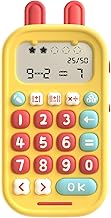
This one is different from the rest, and it is worth being upfront about that. The listing calls it an educational toy for practicing addition, subtraction, multiplication and division, with 5 modes, and the title continues with a number of math items that is cut off. It is a practice device rather than a standard calculator for homework. Parents who are tired of flash card battles may find that a game style format brings back some willingness to practice.
Based on the listing, the device offers five modes of play and covers the four basic operations. Practice style devices like this typically show a problem and ask the child to answer, turning drill into a game. Because the title is truncated, check the product page for how the modes work, what ages it targets, the power source and whether the answer checking is built in. The five modes mentioned in the listing suggest variety, which can help a child who gets bored by repeating the same drill.
It suits children who need extra fluency with math facts, such as a second or third grader working through multiplication tables. It can be a gentle alternative to flash cards for a child who resists worksheets. Parents can set short sessions of five to ten minutes, which keeps practice playful and prevents the toy from feeling like extra homework. Try a simple routine, such as one operation per day, so the child sees steady progress and does not feel overwhelmed.
Remember that it will not replace a regular calculator in class, since it is built for practice, not for checking long homework answers. A learner who relies on it to produce answers instead of thinking will miss the point, so sit nearby at first. Check the listing for small parts, battery details and the right age fit before wrapping. It can also make a thoughtful small gift for a birthday or a school holiday, as long as the age range and batteries are confirmed on the product page.
How to Choose the Best Kids Calculators
What makes a calculator right for a kid
A calculator that suits a child is mostly about clarity. Look for a bright, easy to read display, keys that are spaced well enough for small fingers and a layout that matches what the teacher uses in class. Fancy functions are less important than being able to see and trust each number. A quick shopping tip is to picture the child using it at the usual homework spot and ask whether the display and keys would feel comfortable there.
Think of the device as a checking tool, not an answer machine. A good kids calculator lets a child work a problem first and then confirm it, which builds confidence. If it is so complicated that the child spends more time hunting for keys than thinking, it is the wrong match. Also consider how the calculator will be stored, because a tool that has a home is much more likely to survive a busy school year without going missing.
Ages 6 to 8: first calculator choices
Children in the early grades usually need only four operations. A basic four function model with big buttons and a clean display is plenty, and a mini solar tool can be a gentle introduction. Short, supervised sessions help young learners avoid treating it as a toy. Choose a bright color or a friendly shape if it helps the child feel ownership, because pride in a tool leads to better care and more regular use.
At this age it is worth sitting with the child at first. Show how to clear the screen, how the decimal point works and why an answer that looks odd should be rechecked. A practice style device can add some playfulness without replacing the paper and pencil work teachers expect. Keep sessions to a few minutes and finish on a success, so the calculator is linked with confidence instead of frustration at this early stage.
Ages 9 to 12: homework and middle school fit
Older children handle longer numbers, decimals and percents, so a 10 or 12 digit display and a clear key layout become more useful. A model with an erasable notepad or large screen can reduce scrap paper and help organize multi step problems. Children in this range often start comparing gear with classmates, so a clean, mature looking desktop or a pocket model in a neutral color can feel just right.
Before the school year starts, read the supply list. Some classrooms ask for a specific type, and some ban calculators in certain units. A basic model covers most elementary and early middle school needs, while a scientific model may be required later. Encourage them to write the steps of each problem on paper, then use the calculator to verify the final result and spot any slips in their work.
Display size and digit count explained
Digit count is the number of figures the screen can show at once. Eight digits cover most elementary tasks, ten give room for bigger sums, and twelve suit long results or budgeting games. More digits do not make a calculator smarter, but they stop long answers from overflowing the screen. A simple way to judge fit is to write a long answer on paper and count its digits, then make sure the calculator can show at least that many.
Physical size of the digits matters just as much. A large display helps children who squint, and an extra large panel suits shared family use. Check the listing for the screen description, since a pocket model may have a smaller readout than a desktop one. Bright indoor lighting and a matte desk surface also reduce glare, which makes even a modest sized display easier for children to read comfortably.
Solar, battery or dual power
Solar calculators use a small panel and normal room light, so they rarely need new batteries but can struggle in dim spaces. Battery powered models work anywhere but need someone to replace cells from time to time. Dual power combines both and offers the most flexibility. If you are unsure, dual power is the easy middle road, because the solar panel handles routine use while a battery acts as a safety net.
For a child, the best choice depends on where the calculator will live. A homework table near a window suits solar, while a backpack tool that moves between classrooms may be more dependable with dual power. Ask an adult to handle battery replacement and dispose of old cells properly. Whichever you choose, teach the child to switch it off after use and keep it in a place where it is not buried under heavy books.
Key feel, button size and typing comfort
Keys that give clear feedback help children know a number was entered. Some listings describe a mechanical keyboard feel, which suggests a firmer press, while others focus on big buttons that are easy to press. Children with smaller hands may prefer compact keys, but they also tend to make more errors on tiny ones. Left handed children and those who type with one finger can find different layouts more or less natural, so watch how your child actually presses the keys.
If possible, let the child try a similar model in a store or at school before choosing. Pay attention to noise as well, because very clicky keys can distract classmates. A comfortable layout can make math less stressful and keep practice sessions going longer. A good rule is to choose the largest keys that still fit the space available, then let the child practice until entry feels smooth and automatic.
Desktop versus pocket calculators
Desktop calculators are bigger and stay put, which makes them easy to read and hard to lose. They suit a home study spot and shared family use. A pocket calculator fits in a pencil case and goes to school, but its keys and screen are smaller. A desktop model also makes a lovely family tool for helping with grocery lists, small allowance budgets or craft project measurements around the house.
Some families buy both: a desktop model for the homework table and a small one for class. If you choose just one, think about where most of the math happens. A child who studies mainly at home does well with a larger unit, and a child who changes rooms often benefits from something compact. Weight is worth a glance as well, since a heavier unit stays steady on the desk but is not something a child wants to carry every single day.
Safety, materials and battery care
Calculators are electronic products, so look for a clear listing that names the power type and what is included. Children should not open battery compartments without an adult, since small button cells can be a swallowing hazard for younger siblings. Keep spares stored out of reach. When in doubt, store spare batteries in a closed container on a high shelf, and keep every calculator away from water, heat and young children who mouth objects.
Toy style practice devices may be labeled for certain ages, so check the product page for the age range and any small parts notes. Most standard calculators are school supplies, not toys, and the toy safety standards that apply to play items may not be listed. Look for a seller who provides full details. Never let a child force open a case or try to fix a stuck key, and ask an adult to inspect any device that gets hot or leaks.
Budget friendly logic without overspending
A basic calculator is one of the best value school items because children use the same four operations for years. Paying for a graphing or scientific model too early often means it sits unused. Choose a solid basic tool now and plan an upgrade only when a teacher requests it. Compare what each listing actually includes before deciding, since a simple unit with a clear screen can deliver more daily value than a feature crowded one.
Value also comes from fewer replacements. Solar or dual power can reduce battery purchases, and a sturdy body helps it last through several school years. Handing a good calculator down to a younger sibling is another practical way to stretch the budget. If two options look similar, favor the one with a power type that fits the child’s routine, because avoiding frequent battery changes saves effort over time.
Care, storage and keeping it working
A calculator lasts longer with a few simple habits. Keep the screen away from pressure in a crowded backpack, wipe the keys with a lightly damp cloth while the device is off and avoid leaving it in a hot car. A pencil case or sleeve gives pocket models extra protection. A habit of wiping the keys every few weeks removes pencil dust and snack crumbs that can make buttons feel sticky or unresponsive over months of use.
If the display fades or digits vanish, check the power source first. Solar models may just need more light, and battery models may need fresh cells. Teaching kids to put the calculator away after homework is a small responsibility that also protects the investment. Place a small label or sticker with the child’s name on the back, and teach them to return the calculator to the same spot after each study session.
Teaching with a calculator, not around it
The best use of a calculator is to support learning. Ask the child to estimate the answer before pressing any keys, and talk about whether the result seems reasonable. This habit catches mistakes such as a misplaced decimal and strengthens number sense. Short conversations about why an answer looks right or wrong build more understanding than any amount of quiet button pressing at the desk.
Practice style toys can add variety, but they work best alongside paper work and flash cards. Set a time limit, praise effort and let the child explain how they got each answer. A calculator should make math less scary, not make thinking optional. Over time, shift from asking for estimates to asking for strategies, so the child learns when a calculator helps and when mental math is faster.
Gift tips for parents and relatives
A calculator can be a practical gift for a birthday or the start of the school year, especially when paired with a pencil case or notebook. Pick a color and size the child will enjoy, and include spare batteries if the model needs them. Wrap it with a note about a first homework session together. Add a small card that suggests a fun first activity, such as pricing a pretend shopping trip, so the gift comes with a ready made idea.
Check the return window and keep the gift receipt in case the school requires a specific type. If you are buying for a classroom or sibling group, one durable desktop model can be shared, and a mini model gives each child a personal tool. For long distance relatives, order early, confirm the delivery window on the listing and choose a model with clear power details so nothing is missing on opening day.
Frequently Asked Questions
What kind of calculator is best for a first grader?
A simple four function model with big buttons and a clear display is usually plenty. A mini solar tool or a practice toy can add fun, but adult supervision helps young learners use it as a checking aid rather than a shortcut.
Do kids need a scientific calculator in elementary school?
No. Elementary classes almost always rely on basic functions. A scientific model may be asked for in later middle school or high school, so wait until a teacher requests one instead of buying early.
Is solar or battery power better for children?
Solar suits a well lit homework spot and avoids battery changes, while battery power works in any light. Dual power gives both options. Choose based on where the child will study, and let an adult handle battery replacement.
How many digits should a kids calculator have?
Eight digits cover most elementary math. Ten or twelve digits help with long answers and budgeting games. More digits do not make the calculator smarter, so pick a size that fits the child’s work and desk.
Can a calculator hurt a child’s math skills?
Not when it is used well. Ask the child to estimate first, work on paper and then check with the device. Problems arise only if the calculator replaces thinking, so keep practice balanced with mental math and written work.
Are practice toys the same as real calculators?
No. A practice toy, such as the 5 mode educational device in this guide, is built for drills in addition, subtraction, multiplication and division. It is not meant for checking long homework answers, so a child may still need a basic calculator for class.
What should I check before buying for school?
Read the school supply list first. Some teachers want a specific type or ban calculators in some units. Then check the listing for size, power source, display digits and whether batteries are included, since several titles here are shortened.
Are pocket calculators good for kids?
They are convenient for a pencil case and good for a child who changes classrooms. The trade off is smaller keys and screens, which can be harder for younger children. A desktop unit at home can balance that.
How do I keep a calculator from getting damaged in a backpack?
Store it in a pencil case or padded pocket, avoid pressing on the screen and keep it away from liquids and heat. A small sleeve is inexpensive protection, and teaching a put away habit helps the device last.
Are calculators safe for young children?
Standard calculators are school supplies, but small parts such as button cells can be a hazard for toddlers. Keep batteries out of reach of younger siblings, supervise battery changes and check the listing for age guidance on any toy style device.
The Bottom Line
For most families, the ROATEE desk calculator with an erasable LCD notepad is the best place to start, especially for children in upper elementary and middle school. It keeps the basic layout kids need and adds a handy place for quick notes.
If your priority is a bright, readable screen, choose the extra large display model. For a younger child, a solar or mini starter works well, and the math practice toy adds playful drills. Check each live listing for current price, size and power details.
Updated for the 2027 buying season. Amazon listings and availability change often, so check the product page for current details.





Write Your Review
No reviews yet. Be the first to share your experience!