

As an Amazon Associate we earn from qualifying purchases. If you buy through links on this page we may receive a commission at no extra cost to you. Product details come from Amazon listings and can change.
Every parent and teacher knows the moment: a child is overwhelmed, the words will not come, and the room needs a quieter way through. This guide to the best calm down toys looks at nine sensory tools that give a child something to watch, squeeze, peel or move while a big feeling passes. It is written for parents, grandparents, teachers and caregivers of children from about 3 to 9.
Each pick is matched to a particular style of calming. Some are quiet to watch, some are made to squeeze, and one is a full body sock. We explain what each listing actually says, who it suits, where it falls short and what an adult should supervise. Where the title leaves out a detail such as size or contents, we say so and point you to the product page.
Prices change often, so we link to live listings instead of quoting numbers. Please remember that calm down toys are everyday sensory tools, not therapy or medical treatment. They work best when a patient adult stays close, names the feeling and lets the child take the time needed.
Key Takeaways
Best Calm Down Toys at a Glance
| Product | Our score | |
|---|---|---|
| Sensory Toys, Travel Toys, Quiet Fidgets Best Overall |
9.2 / 10 | Check Price |
| Toddler Sensory Toys, Quiet Fidgets for Best for Naming Feelings |
9.4 / 10 | Check Price |
| Pushpeel Sensory Activity Board: Silicone Fidget Best Quiet Travel Board |
9.6 / 10 | Check Price |
| Non-toxic ASTM certified, US family-owned, easy Best Squeeze Cube |
8.8 / 10 | Check Price |
| JOYIN 4-Pack Sensory Fidget Tubes, Silent Best Multi Pack for Classrooms |
9.2 / 10 | Check Price |
| Fidget Toys Sensory Stone for Kids Best Pocket Worry Stones |
9.2 / 10 | Check Price |
| Holiday Gift for Kids & Adults Best Sticky Squish Set |
9.0 / 10 | Check Price |
| Super Z Outlet Liquid Motion Bubbler Best Desk Watcher |
8.8 / 10 | Check Price |
| SANHO Yopo Dynamic Movement Sensory Sox Best Full Body Squeeze |
9.2 / 10 | Check Price |
How We Chose the Best Calm Down Toys
This is a research based guide, not a lab comparison. We read each product listing closely, noted the details the seller states in the title, and balanced the list across different ways a child can settle: watching, squeezing, peeling, rubbing and moving. We looked for sensory items that suit both homes and classrooms, and we leaned toward quiet designs because noise can undo the calm the toy is meant to create.
Safety and honesty shaped the list. We paid attention to age markings, small parts, liquids that can leak and any standards the listing mentions, and we describe those as the seller’s claims. Each pick also has an editorial score out of 10 based on features, specs and how well it fits its use case. Where the listing is thin, we say so and suggest checking the product page.
In-Depth Reviews
1. Sensory Toys, Travel Toys, Quiet Fidgets: Best Overall

Our score: 9.2/10 iOur editorial score (1 to 10), based on listing specs, features and how well each pick fits its use case. It is not an Amazon customer rating.
Ages 3+ Fidget tubes Calm down corner Travel friendly
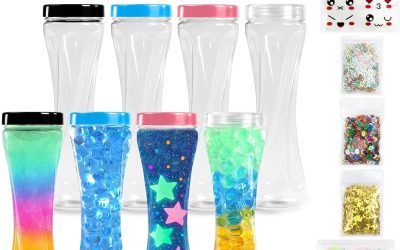
The hand2mind Sensory Fidget Tubes take the top spot because the listing speaks to the exact job this guide cares about: giving a child something quiet to watch and turn when feelings run high. The title names calm down corner supplies, travel toys, quiet fidgets and a preschool classroom use, so one purchase can serve home, school and the car. A tube set is also an easy first step for families who are new to sensory tools and do not want to commit to a large setup.
Buyers can expect a set of sealed tubes meant to be tipped, rolled and watched, which is the classic idea behind a calm down timer style toy. The title does not list the filling, the tube count or the dimensions, so check the product page for those details before ordering. What the title does confirm is the quiet angle, and that matters in a shared space where a rattling toy would draw attention instead of easing a hard moment.
The listing marks the set for ages 3 and up, which makes it a fit for preschoolers, kindergarten rooms and early elementary classrooms. Children learn a useful habit here: when a big feeling shows up, they can reach for a tool, slow their eyes and breathing, and wait for the feeling to pass. Teachers often pair tools like this with a feelings chart, and parents can do the same with a short script such as watch the tube until the glitter settles.
A few cautions apply. Tubes are meant to be held, not mouthed or thrown, so an adult should set that rule before the first use and keep an eye out for cracks or leaks as time passes. Some kids find the movement calming while others lose interest quickly, so keep expectations modest. This is a sensory toy, not a treatment, and it works best next to a calm adult who stays nearby.
2. Toddler Sensory Toys, Quiet Fidgets for: Best for Naming Feelings

Our score: 9.4/10 iOur editorial score (1 to 10), based on listing specs, features and how well each pick fits its use case. It is not an Amazon customer rating.
Primary emotions Social emotional learning Mindfulness for kids Calm down corner
Most calm down toys give a child something to do with their hands. The hand2mind Express Your Feelings Sensory Bottles aim a little higher by tying the sensory object to words for emotions. The title names primary emotions, social emotional learning and mindfulness for kids, so this set suits adults who want a teaching tool and not only a fidget. It earns the award for naming feelings because it gives a child a visual way to say what is going on inside.
The set is described as sensory bottles built around primary emotions, which usually means one bottle per feeling such as happy, sad or angry. The title does not state the bottle count, colors or fill material, so confirm those on the listing. The idea is simple: pick the bottle that matches how you feel, shake or tip it, watch it settle, and talk about it with a trusted adult while the movement slows down.
This is a strong match for toddlers, preschoolers and early grades, because the title even opens with toddler sensory toys and quiet fidgets for classroom use. Children who struggle to find words often point or hand over a bottle first, which opens a short conversation. Teachers can place the bottles in a calm down corner and invite a child to choose one when they return from recess or after a tough transition.
Plan for adult guidance. A child who is upset may drop or throw a bottle, so keep the set on a soft surface and teach a gentle way to hold it. Check the listing for age marking, and treat any sealed bottle with care for leaks and cracks. These bottles support feelings talk, but they are a classroom and family tool, not a replacement for professional support when a child needs it.
3. Pushpeel Sensory Activity Board: Silicone Fidget: Best Quiet Travel Board
Our score: 9.6/10 iOur editorial score (1 to 10), based on listing specs, features and how well each pick fits its use case. It is not an Amazon customer rating.
Silicone board Silent and no mess Kids 3+ and adults 11 strings and travel bag
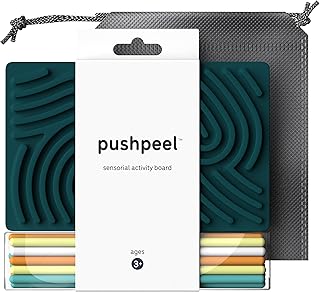
The Pushpeel Sensory Activity Board is the pick for families who need a calm down tool that disappears into a bag. The title calls it a silicone fidget toy that is silent and no mess, and it includes a portable travel bag. That combination suits waiting rooms, flights, restaurant tables and long car rides, where a loud toy would only add to the pressure. It is a different kind of calm than a tube or bottle because the child is doing something active.
According to the listing, the kit comes with a travel bag and 11 strings. The board itself is silicone and is meant for pushing, peeling and pressing, with the strings giving extra ways to play. Beyond that the title does not give dimensions or the exact layout, so look at the product images for how the surface is arranged. A silent push and peel surface gives a child steady feedback without any sound, which is the main appeal for shared spaces.
The listing marks it for kids 3 and up and also mentions adults, so a parent and child can share it, and an older sibling will not feel it is too babyish. The title lists calming, stress, anxiety, ADHD and autism among the uses. Treat that as the seller’s framing: some children with those needs enjoy tactile boards, but the board is a sensory toy, not a therapy, and no product can promise those results.
Practical points matter here. The strings are a small part issue for the youngest users, and a cord can be a wrap or choking concern, so supervise children near the 3 year mark and keep the strings away from necks. Clean silicone with mild soap and water, then dry it before packing it in the bag. Keep the strings stored in the bag so they do not go missing between trips.
4. Non-toxic ASTM certified, US family-owned, easy: Best Squeeze Cube

Our score: 8.8/10 iOur editorial score (1 to 10), based on listing specs, features and how well each pick fits its use case. It is not an Amazon customer rating.
Jumbo squeeze cube Non-toxic per listing ASTM certified per listing Kids and adults
The Original BigBlok Premium Stress Cube is the choice for children who calm down by squeezing something with real size. The listing describes a jumbo sensory squeeze cube and lists several claims that matter to parents: non toxic, ASTM certified, US family owned and easy replacement. Those are the seller’s statements on the listing, so shoppers who care about them should read the product page for the exact wording and any age marking before buying.
Unlike a small fidget that fits in a palm, this one is meant for two hand squeezing, pressing against a table and kneading while a child talks or listens. The title calls it a squishy fidget toy for kids and adults, and the word jumbo suggests it is bigger than a typical stress ball. The material and weight are not given in the title, so check the listing for what it is made of and how it feels.
It suits school age kids and teens who like pressure and resistance, and the adults in the house can share it, which can help an older child feel less singled out. A squeeze cube also pairs well with a simple routine: press ten times slowly while counting, then breathe out. Some kids find that kind of repeated effort calming, though it is one tool among many and not a guaranteed fix.
Keep a few cautions in mind. Squishy toys can be bitten or torn by curious kids, so ask an adult to check the cube regularly for damage and stop use if it breaks open. Keep it away from pets, which may chew it. Because it is a bigger item, it takes more room in a backpack than a stone or a tube, so decide where it will live at home and at school.
5. JOYIN 4-Pack Sensory Fidget Tubes, Silent: Best Multi Pack for Classrooms
Our score: 9.2/10 iOur editorial score (1 to 10), based on listing specs, features and how well each pick fits its use case. It is not an Amazon customer rating.
4 pack Ages 3 to 5 Silent fidget toys Classroom calming corner
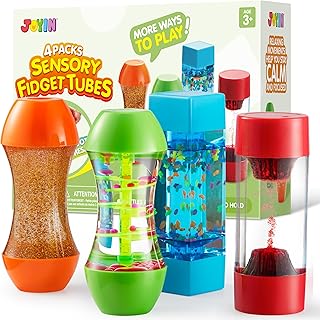
A single toy rarely covers a whole classroom, which is why the JOYIN 4 Pack Sensory Fidget Tubes earns the multi pack award. The title says four tubes, silent fidget toys, a target of ages 3 to 5 and a fit for classroom calming corner items. That makes it a natural buy for a pre K teacher, a childcare room or a family with two or three small children who all want a turn at the same moment.
Four tubes mean a child can pick a favorite instead of waiting for a turn, which cuts down on the tug of war that can follow a quiet toy. The title does not say how the tubes differ in color, filling or motion, so confirm those details with the listing images. What it does state is that they are silent, so they will not add noise to circle time or to a bedtime wind down routine.
The age range in the title is 3 to 5, making this a clear preschool set. The title also says sensory toys for kids with autism and sensory room must haves, which is how the seller frames the use. Teachers can treat the set as a menu: offer two tubes, let the child choose, and then ask the child to describe what they see. That keeps the toy as a tool for calm instead of a prize that sparks a fight.
A word of caution for the youngest users. Tubes that are tossed or dropped can crack, so set a rule to hold them with two hands and sit down while using them. Adults should look over each tube regularly for leaks or damage and take away any that are broken. The title also mentions stocking stuffers, which is fine as a gift idea, but keep the set clearly labeled as a tool and not a rattle.
6. Fidget Toys Sensory Stone for Kids: Best Pocket Worry Stones

Our score: 9.2/10 iOur editorial score (1 to 10), based on listing specs, features and how well each pick fits its use case. It is not an Amazon customer rating.
6 pack Textured soft stones For students Small prize size
The Fidget Toys Sensory Stone set is the pocket pick, designed for a child who needs something small and discreet. The title calls them textured soft worry stones in a 6 pack and mentions students, calming and small prizes. A stone is easy to rub with a thumb in a desk, a coat pocket or a lunch box, which makes it a good match for kids who do not want a bright toy that attracts attention from classmates.
The listing gives the count as six and describes textured, soft stones. It does not name the material, the size or the colors, so shoppers should read the product page before buying. The idea behind a worry stone is old and simple: you rub a smooth or bumpy surface with your thumb and let the repeated motion give your attention somewhere to rest. Textures make each stone feel different, so a child can pick one that suits the day.
Six stones also make this a handy sharing set for siblings, a small group of friends or a classroom reward jar. School age children from about early elementary through the middle grades are the likeliest fit, and the title mentions students directly. Teachers can offer one stone to a child who is restless during reading time, and parents can slip one in a backpack pocket for first day nerves or a hard exam day at school.
There are cautions to keep in mind. Small items can be a choking risk for very young children, so check the age marking on the listing and keep these away from under threes. A stone dropped on a hard floor can be noisy or roll away, so teach children to keep it in the hand. The title links the stones to autism and stress, but they are a sensory aid only, not a treatment.
7. Holiday Gift for Kids & Adults: Best Sticky Squish Set

Our score: 9.0/10 iOur editorial score (1 to 10), based on listing specs, features and how well each pick fits its use case. It is not an Amazon customer rating.
6 count Sticky squishy balls Crayola Globbles Gift or stocking stuffer
The Crayola Globbles set is the playful choice on this list. The title describes squishy, sticky stress balls in a 6 count pack and pitches them as a calming sensory gift for kids and adults. Where tubes and boards ask a child to be still, these ask for stretching, pulling and squashing. Children who calm down through busy hands may prefer this style, which is why it earns a place as the sticky squish pick.
The listing says six balls come in the pack and calls them sticky, squishy and fidget friendly. It does not give the size, the texture details or what the balls are made of, so check the product page for those facts. The title also notes that they suit holiday gifts and stocking stuffers, so a parent shopping for a family with several children can hand one ball to each child and avoid arguments about whose turn it is.
This set fits school age kids and the adults around them, since the listing says kids and adults. Squishy toys work well for a child who likes to squeeze while thinking, such as during homework, a video call or a long drive. A parent can set a simple house rule that globbles stay on the table or in hand, which keeps them from collecting hair, lint and dust that spoil the sticky feel.
Some practical advice helps here. Sticky surfaces pick up dirt, so store the balls in a clean bag or container between uses, and wash according to the listing instructions. Keep them away from carpets, pet hair and very young children who might put them in the mouth, since small squishy items can be a choking worry. Pulling too hard can tear the material, so remind kids to be gentle. Wipe your hands before play so the sticky surface stays useful longer.
8. Super Z Outlet Liquid Motion Bubbler: Best Desk Watcher

Our score: 8.8/10 iOur editorial score (1 to 10), based on listing specs, features and how well each pick fits its use case. It is not an Amazon customer rating.
Liquid motion bubbler Desk top toy Assorted colors 1 piece
The Super Z Outlet Liquid Motion Bubbler is a watching toy for a desk, a shelf or a calm down corner. The title calls it a liquid motion bubbler for sensory play, a fidget toy and a children activity, sold as one piece in assorted colors. It stands out because the child does not need to squeeze or press anything. Instead, they flip it and watch the slow drips and bubbles, which can keep eyes busy while the body settles.
As the title says, you get one piece and the color is assorted, which means the seller picks it. The title does not list the size, the liquid type or the timer length, so confirm those details on the listing before ordering. In general, a liquid motion bubbler works like a small timer: tip it over, watch the droplets pass through, and wait for the flow to finish before flipping it again.
It suits children who like visual toys, especially those who get overwhelmed by noise or touch. A child can sit at a desk with it during a break, and a parent can use it as a bedtime wind down helper, placing it where the child can watch without handling it. The word desk top in the title points to table use, so it is a better match for a fixed calm spot than for rough pockets or backpacks.
There are a few cautions. A liquid toy can leak or crack if it is dropped, so teach children to keep it on a flat surface and handle it with two hands. An adult should check the seams from time to time and remove it from play if anything seeps out. Because it is sealed liquid, it is a toy for watching, not for shaking hard or throwing, and the color you receive may differ from the photo.
9. SANHO Yopo Dynamic Movement Sensory Sox: Best Full Body Squeeze

Our score: 9.2/10 iOur editorial score (1 to 10), based on listing specs, features and how well each pick fits its use case. It is not an Amazon customer rating.
Medium size Ages 6 to 9 47 inch H by 27 inch W Fits height 41 to 51
The SANHO Yopo Dynamic Movement Sensory Sox is the most unusual pick here, and it speaks to a different style of calming. Instead of something to hold, it is a body sock a child steps into, stretching and moving inside a snug fabric shell. The listing marks this medium size for children 6 to 9 years old, which means it serves a narrow age band, so it is best for families who know their child likes deep, wraparound movement.
The title gives the numbers: 47 inches high by 27 inches wide, suited for a child between 41 and 51 inches tall, in blue, in an updated version. Beyond those details the title does not describe the fabric or the stretch, so look at the listing for materials and care. Children get into the sock, push and stretch against it, and move around in ways that give their body steady pressure while they stay in one spot.
This is a match for kids who seek movement and tight, full body input, and for parents who want an indoor option on rainy days or during a hard evening. Because the sizing is given by height, measure the child before ordering and confirm the size chart rather than guessing from age alone. A child outside the height range will likely be uncomfortable, so the sizing line is the most important fact on the page.
Safety needs adult attention. A body sock covers the face and head if a child pulls it up, so supervise every session, keep the play space clear of furniture and hard edges, and use it on a soft floor. Never use it near stairs, and stop right away if a child feels hot or panicky inside. Some children dislike enclosed fabric, so introduce it slowly and let the child lead.
How to Choose the Best Calm Down Toys
What makes a toy a calm down toy
A calm down toy is any small, safe object that gives a child’s attention and hands a steady job while they settle. The best ones are quiet, predictable and easy to use without instructions, because a child in distress cannot follow a complicated game. Watching tubes, squeezing a cube or rubbing a stone all share one trait: the action is simple and repeatable.
It helps to separate a calm down tool from a regular toy. A regular toy invites excitement, while a calm tool invites slowing down. That is why many families keep these items in a dedicated spot and bring them out only when needed. Used that way, the object becomes a cue that it is time to pause, breathe and reset.
Matching the toy to how your child calms
Children settle in different ways. Some need to watch something drift, like a tube or a bubbler, while others need pressure through the hands, like a squeeze cube. Others do best with movement, such as a body sock, or with small repetitive touch, such as a textured stone. Notice what your child naturally does when upset: pacing, hugging, staring or squeezing all give clues.
If you are unsure, start with one visual item and one touch item and watch which one the child reaches for. Avoid buying a large collection at once. A child can be overwhelmed by choices, and too many gadgets turn a calm moment into a game of picking. Two good options, offered with a short phrase like choose one, often work best.
Age fit and small parts honesty
Age marking matters more with sensory toys than with many others because children often mouth them when upset. Check the age line on every listing. Several picks here are marked for ages 3 and up, and the body sock is sized for ages 6 to 9, so none of these should be treated as baby toys. Under age 3, small stones, strings and squishy balls can be real choking risks.
Even for older children, small items can go missing or end up in a younger sibling’s hands. If your home has a baby or toddler, store pocket sized pieces such as stones, balls and strings in a closed box up high. A calm down corner at child height should hold only items that are safe for the youngest child who can reach it.
Quiet versus noisy toys in shared spaces
Noise is the hidden problem in many classrooms and cars. A toy that clicks, rattles or squeaks can annoy neighbors and pull attention away from the child who needs peace. Silent materials such as silicone, sealed liquid tubes and squishy foam give feedback without sound, which is why quiet fidgets show up so often in teacher supply lists. Ask the child to help choose, since a toy picked by the child is more likely to be used.
At home, noise rules can be looser, but bedtime and homework time still call for gentle tools. Before buying, look for words like silent, quiet or no noise in the listing, and picture where the toy will be used. A toy that is perfect in a bedroom may be wrong for a library or a waiting room full of other families.
Setting up a calm down corner
A calm down corner is a small, soft spot where a child can go to settle. A rug, a cushion or beanbag, a few tools and a simple picture chart of feelings are plenty. Place it away from the busiest part of the room, but within sight of the adult so the child feels safe. Teach the routine when everyone is calm, not in the middle of a meltdown.
Keep the tools few and rotate them from time to time. A tube set, a feelings bottle and a squeeze item make a balanced trio. Explain that the corner is not a punishment and that using it is a smart choice. Children who see adults model taking a pause tend to copy the habit, and the toys then become part of a shared routine.
Materials, cleaning and safety labels
Look for what a listing actually states about materials. Some titles mention non toxic claims or ASTM certification, such as the squeeze cube listing here, and those are statements from the seller that deserve a quick read on the product page. Do not assume a toy is non toxic or certified unless it says so, and check for any age warnings printed on the packaging when it arrives.
Cleaning matters because sensory toys are handled constantly. Silicone can usually be washed with mild soap and water, while sealed liquid items should be wiped on the outside and never submerged unless the listing allows it. Sticky or squishy toys pick up lint and should be stored in a clean pouch. Follow any care notes that come with the product.
Budget friendly choices without losing quality
Value in this category is about longevity and sharing, not the lowest number. A multi pack of tubes or stones can serve a whole classroom or several siblings, which stretches the budget further than a single novelty item. Look at how many pieces the listing includes and how many children will realistically use them. Think about how long the child is likely to stay interested before you decide.
It also helps to choose sturdy, simple designs over flashy ones. A basic sealed tube or a silicone board has few parts that can break, while a complicated gadget may lose its charm in a week. Because prices change often, check the live listing before buying and compare a few options rather than grabbing the first one you see. Keeping the receipt for a short time is a sensible habit.
Travel, car rides and waiting rooms
Calm down toys earn their keep on the road. Long drives, airports and doctor visits are common triggers for big feelings, and a small kit can prevent many of them. A silent silicone board with a bag, a pocket stone or a small tube all travel well and do not disturb other people. Even a few quiet minutes can change the mood of a whole trip.
Pack the items in a small pouch you keep in the bag at all times, and tell the child where the pouch is before you leave. Avoid anything with loose liquid or breakable parts in a crowded bag, and keep strings away from seat belts and necks. A familiar toy in an unfamiliar place can be a comfort in itself.
Using calm down toys at school
Teachers often ask for quiet items that do not become a distraction. Before sending a toy to class, check the school’s rules, since some rooms allow only certain fidgets. Small, silent tools like stones, tubes and boards are usually the easiest to approve. Label items with the child’s name so they do not travel from desk to desk. A short note home about the rules can keep everyone on the same page.
Talk to the teacher about how the tool will be used. A fidget should help a child focus, not become a game. Agree on a simple rule such as keep it in your hand and out of sight when the class is listening. Many classrooms keep a shared set in a calm down corner and let students choose when they need it.
Talking with your child while they use the toy
The toy is only half of the picture. What helps most is a calm adult who stays nearby, speaks softly and names the feeling. Try short phrases like I see you are upset or let us breathe together. Avoid asking many questions in the middle of a hard moment, since a child who is flooded cannot answer them yet. Quiet and slow speech from the adult sets the pace for the child.
Once the child is calmer, talk through what happened and what could help next time. A feelings bottle set can make this easier by giving a visual to point to. Over time, children learn to notice early signs in their body and reach for the tool before the feeling gets big, which is the real long term goal. Keep the chat short and kind, and end on something the child did well.
When a toy is not enough
Calm down toys are everyday helpers, not treatments. If a child has frequent intense meltdowns, trouble sleeping, sudden changes in behavior or worries that interfere with school and friendships, talk with a pediatrician, school counselor or other qualified professional. Some listings mention conditions like anxiety, ADHD or autism, but a toy cannot diagnose or treat any of them. Trust your instincts as a parent, because you know your child best.
Adults also need calm. A child often mirrors the mood of the person beside them, so a few slow breaths from the parent can do as much as any object. Use the toys as one piece of a larger plan that includes routines, sleep, movement, connection and professional help when it is needed. Reaching out early is a sign of care, not a failure.
Gift tips and common mistakes
A calm down set can make a thoughtful gift for a classmate, sibling or teacher’s room, especially a multi pack that can be shared. Add a short note about how to use it so it is not mistaken for a noisy toy. Check the age line and avoid giving small stones or squishy balls to families with babies in the house.
Common mistakes include buying too many items, using the toy as a reward or punishment, and expecting instant results. Another is choosing by looks alone, so read the listing for age, size and care. Start small, let the child choose, and keep the tools in a steady spot so they are easy to find when the time comes. Let the child open the gift with a calm adult nearby so the first use feels positive.
Frequently Asked Questions
What are calm down toys?
Calm down toys are small sensory items a child can watch, squeeze, rub or move to settle during a big feeling. Examples include fidget tubes, feelings bottles, squeeze cubes, worry stones and silicone boards. They support calm, but they are not a medical treatment.
What age are these calm down toys for?
Most picks here are marked for ages 3 and up on their listings, the tube pack targets ages 3 to 5, and the body sock is sized for 6 to 9. Always confirm the age line on the listing and avoid small parts under age 3.
Do calm down toys really work?
Many children find repeated, quiet sensory actions soothing, but results vary from child to child. We cannot promise any effect. They work best when a calm adult stays close and helps the child name the feeling and breathe.
Are fidget tubes safe for preschoolers?
They are made for young children according to their listings, but any sealed tube can crack if dropped or thrown. Teach gentle two hand use, supervise play, check for leaks or damage often and remove any broken tube right away.
Which toy is best for a classroom?
A multi pack of silent tubes is a strong fit for a calm down corner, since several children can have a choice. A feelings bottle set adds emotion vocabulary. Check the school’s fidget rules first, and label items by name.
What should I pack for a car trip or flight?
A silent silicone board with a bag, a few pocket stones and a small tube are easy to pack. Avoid loose liquids or breakable items in a crowded bag, and keep any strings away from seat belts and necks.
Are squishy toys a choking hazard?
Small squishy balls and stones can be a choking risk for children under 3 and for kids who mouth objects. Check the age marking, inspect for tears, and store them away from babies and pets.
Can these toys help with anxiety, ADHD or autism?
Some listings mention those conditions, but a toy cannot diagnose or treat them. Many children enjoy sensory tools, and they may fit into a plan with professional guidance. Talk with a pediatrician or counselor for medical or developmental concerns.
How do I clean sensory toys?
Silicone can usually be washed with mild soap and water and then dried. Sealed liquid toys should only be wiped on the outside. Sticky toys should be stored in a clean pouch. Always follow the care notes on the listing.
How many calm down toys does a child need?
Usually two or three are enough: one to watch, one to squeeze and perhaps one to talk about feelings. Too many choices can overwhelm a child. Rotate items from time to time to keep them fresh.
The Bottom Line
The right calm down toy is the one your child actually reaches for when a feeling gets big. For most families and classrooms, the hand2mind Sensory Fidget Tubes are the best place to start because the listing speaks directly to quiet play, calm down corners and ages 3 and up.
From there, add a style that matches your child, whether that is feelings bottles for talking, a silent board for travel or a squeeze cube for pressure. Check live listings for current details, supervise small parts and liquids, and keep a patient adult close by.
Updated for the 2027 buying season. Amazon listings and availability change often, so check the product page for current details.


Write Your Review
No reviews yet. Be the first to share your experience!