

As an Amazon Associate we earn from qualifying purchases. If you buy through links on this page we may receive a commission at no extra cost to you. Product details come from Amazon listings and can change.
Finding the best circuit kits means choosing between simple starter boxes and big project libraries, and the labels on the shelf do not always make that clear. This guide looks at nine snap together circuit sets that let children build working electronics without soldering, tools or prior experience. It is written for parents, gift buyers, curious tweens and teens who want a kit that turns screen time into building time.
Each pick is described from its listing details: project counts, part counts, themes and the way the parts connect. We explain who each set suits, what it can teach about switches, loops, lights and sound, and where a younger or older child might struggle. Because the data behind some titles is thin, we point out when you should confirm contents on the product page.
Prices change often, so this page links to live listings instead of quoting numbers. Use the takeaways and the comparison table to narrow the field, then read the full write ups for the sets that match your child’s age and patience. The buying guide near the end covers batteries, small parts, storage and a sensible learning path from first circuit to confident builder.
Key Takeaways
Best Circuit Kits at a Glance
| Product | Our score | |
|---|---|---|
| Snap CircuitsExplore 300+ hands-on electronics p Best Overall |
9.6 / 10 | Check Price |
| Create 500+ electronic projects with reusable Biggest Project Library |
9.6 / 10 | Check Price |
| Snap CircuitsBuild 100+ STEM projects with Best Starter Set |
9.6 / 10 | Check Price |
| Snap CircuitsAdvanced electronics set for buildi Best for Advanced Builders |
9.6 / 10 | Check Price |
| Snap CircuitsIncludes 42 snap modules for Best Mid Size Kit |
9.4 / 10 | Check Price |
| Snap CircuitsExplore light, sound and electronic Best for Light and Sound |
9.6 / 10 | Check Price |
| Snap CircuitsExplore renewable energy and electr Best for Renewable Energy |
9.6 / 10 | Check Price |
| Snap CircuitsBuild arcade-style electronic games Best for Games and Activities |
9.6 / 10 | Check Price |
| Snap CircuitsBuild and wire a model Best for Practical Projects |
9.6 / 10 | Check Price |
How We Chose the Best Circuit Kits
This is a research based guide, not a lab comparison. We read each listing closely and noted the project counts, part counts, themes and build style that the titles state. We also weighed general knowledge about snap together electronics, such as how reusable parts support long term value, how manuals shape the learning curve, and why batteries and small parts call for adult attention. Where a title is thin, we say so and send readers to the listing.
We aimed for a balanced mix of sizes and themes, from a small starter set to a very large project library, so a family can match a kit to a child instead of buying the biggest box by default. Every pick also has an editorial score out of 10 on this site, based on features, specs and how well the kit fits its intended use. Safety standards depend on the exact product, so check the listing for age marking and labels.
In-Depth Reviews
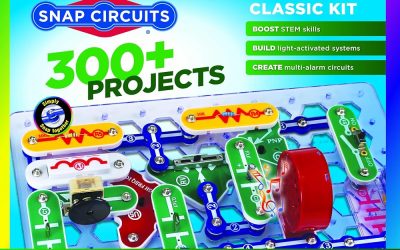
1. Snap CircuitsExplore 300+ hands-on electronics p: Best Overall
Our score: 9.6/10 iOur editorial score (1 to 10), based on listing specs, features and how well each pick fits its use case. It is not an Amazon customer rating.
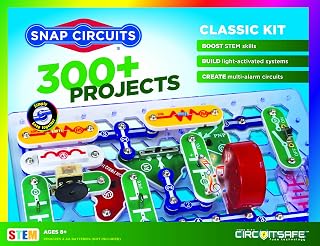
Snap Circuits brand 300+ projects Snap together parts Project manual
The Snap Circuits Explore set earns the top spot because it pairs a very large project count with the easiest way into circuits that most families know: parts that press together instead of being soldered or twisted with wire. The listing talks about more than 300 electronics projects, which is a lot of runway for a child who wants to keep building after the first weekend. For a guide about circuit kits, that mix of range and simplicity is hard to beat, and it explains why this pick leads the list. Families that enjoy a long project list often find that a single large kit replaces several smaller toys over a year.
According to the listing, the kit uses snap together parts and comes with a full color guide for the projects. In practice, that means a builder follows a diagram, matches each part to a numbered position on a plastic base grid, and presses the pieces into place. Each part is a small block with a clear label, so a child can learn what a switch, a lamp or a speaker looks like before ever reading about them. The title does not list every component, so check the listing for the exact parts. Its manual based format also lets an older sibling guide a younger one through each build without any special knowledge.
This set suits a curious child who has already shown interest in how things switch on and off, or who liked a smaller kit and wants more. It teaches the basic habit of electronics thinking: a circuit needs a loop, a power source and a load. Because the project count is high, it also rewards patience, since a family can work through simple builds first and save the trickier ones for later weeks. Younger children will need an adult nearby to read the manual and talk through each step. Parents who want a kit to anchor a rainy day routine, a weekend tradition or a school break project will find plenty of material here.
A few practical notes help. Batteries are a normal part of kits like this, but the title does not say what is included, so confirm that on the listing and keep spare batteries handy. Small parts and loose wires are a hazard for little ones, so store everything in a tray with a lid. Take the circuit apart after each session, because leaving a powered build running can drain batteries and warm some parts. Adult supervision is sensible for the whole experience. If something does not light up or make a sound, a calm recheck of each part position on the grid usually finds the cause.
2. Create 500+ electronic projects with reusable: Biggest Project Library

Our score: 9.6/10 iOur editorial score (1 to 10), based on listing specs, features and how well each pick fits its use case. It is not an Amazon customer rating.
500+ projects Reusable parts Snap together Circuit and engineering
If sheer variety is the goal, this kit claims the biggest library on the list. The listing promises more than 500 electronic projects built from reusable snap together parts, with a focus on circuit and engineering learning. A number that large changes how a kit gets used: instead of a short burst of excitement, it can become a long running hobby that spans seasons and grows with a child’s reading and confidence. That kind of depth rewards children who like finishing a whole manual, one project after another.
The title for this set does not name the brand at the front, so buyers should confirm the maker and the exact contents on the product page before ordering. What the title does tell us is that the parts are reusable and snap together, which is the key feature for a family that wants to rebuild again and again. Reusable parts also mean that one purchase covers many projects, a sensible value argument without needing to compare any prices. Since the brand is not stated in the title, a quick look at the seller details and contents list is a smart habit before purchase.
This set fits an older or more determined builder, such as a tween who has outgrown a small starter kit and wants real depth. It can teach series and parallel paths, switches, and how a change in one part alters the whole circuit. Parents who like projects with an engineering flavor will appreciate that the title uses that word, which hints at building things that do something rather than only blinking a light. Parents of a child who already collects building sets or science kits will likely see this as a natural next addition to the shelf.
There are caveats. With so many projects, the manual is likely to be thick, so a child who dislikes long instructions may need a parent to help find a good starting point. Keep the parts sorted by type from day one, because hunting for one tiny piece in a mixed pile ends sessions early. As with any electronics kit, supervise battery handling, keep small pieces away from toddlers, and unplug the power when the project is done. A simple checklist taped inside the lid, listing part types, makes cleanup much faster after each long session.
3. Snap CircuitsBuild 100+ STEM projects with: Best Starter Set

Our score: 9.6/10 iOur editorial score (1 to 10), based on listing specs, features and how well each pick fits its use case. It is not an Amazon customer rating.
100+ projects 28 snap parts Project manual STEM focus
Not every family wants a giant box on day one, and this set is the gentlest way in. The Snap Circuits Build kit lists more than 100 STEM projects made with 28 snap together parts and a full color project manual. The smaller part count is a feature for beginners, because fewer pieces means less sorting, less confusion and a quicker first win. It is the starter pick of this guide. For a child who is nervous about electronics, that small and friendly starting point can make all the difference.
With 28 parts, a child sees the whole inventory at a glance. The listing says the projects come from a full color manual, so each build can be matched to a picture and copied piece by piece. This clear one to one match between diagram and parts is how snap style kits lower the barrier: no tools, no stripping wires, just a base grid and parts that click. The title does not list which parts are inside, so confirm that on the listing. Seeing every part laid out on the table also helps a young builder learn each name and symbol in a natural way.
The set suits first time builders, siblings who will share, and parents who want to see whether electronics sticks before buying something larger. It teaches the loop idea, how a switch interrupts the flow, and how output parts respond when the loop closes. Because the project count is still above one hundred, it will not be finished in an afternoon, so it holds attention longer than a tiny kit would. Gift buyers who are unsure about a child’s interest level often choose a starter like this to avoid overbuying.
Expect to outgrow it eventually, which is natural. When a child begins repeating projects or inventing variations, that is a sign the next larger kit is a good idea. Until then, keep the parts in a small box, check what power source the listing says is needed, and stay close for the first few builds. Adults should also set a rule that parts stay away from mouths and that the project comes apart when playtime ends. A small tray for the 28 parts keeps the base grid clear and the workspace calm.
4. Snap CircuitsAdvanced electronics set for buildi: Best for Advanced Builders

Our score: 9.6/10 iOur editorial score (1 to 10), based on listing specs, features and how well each pick fits its use case. It is not an Amazon customer rating.
Advanced set Hundreds of projects Reusable parts Snap Circuits brand
Ambitious builders have a clear target here. The Snap Circuits Advanced set is described on the listing as an electronics set for building hundreds of circuit projects with reusable parts. The word advanced in the title is the key: this is the kit for a child who has already completed simpler builds and is asking what comes next, which is why it takes the advanced builder award. That sense of progress matters because teens respond well to kits that do not feel like toys for little kids.
The title does not give an exact count or a parts list, so check the listing for how many projects and which components come in the box. What it does promise is reuse, so a child can build, take apart and rebuild across many sessions. Advanced kits in this style usually add more varied parts and more complex layouts, but buyers should rely on the product page for specifics rather than assume. Because details are limited in the title, reading the full listing will show whether any extras such as a larger base grid come included.
This set suits an older child or teen who enjoys figuring out why a circuit behaves the way it does. It supports a more thoughtful kind of play, where the builder predicts what will happen, changes one part, and compares the result. That habit of prediction and comparison is the real science lesson, and it transfers to later school subjects like physics and technology classes. It can also support a school project, a science club demo or a personal challenge to design an original circuit.
One honest caution: skipping the beginner steps can lead to frustration. A younger child handed an advanced kit may struggle with the manual and give up, so pair this set with a smaller one or with adult help. Keep batteries fresh, store the base grids flat so they do not warp, and remind everyone that small parts and power sources are not toys for babies or toddlers. A parent should check any warm or smelly part immediately. Treat any experiment with care, and have a parent nearby whenever new power sources or unusual part combinations are involved.
5. Snap CircuitsIncludes 42 snap modules for: Best Mid Size Kit
Our score: 9.4/10 iOur editorial score (1 to 10), based on listing specs, features and how well each pick fits its use case. It is not an Amazon customer rating.
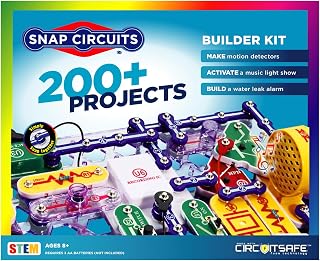
42 snap modules 200+ projects Project manual Snap Circuits brand
Right between the small starter and the giant library sits this kit. The listing says it includes 42 snap modules for more than 200 electronic projects, with a full color project manual. That middle position makes it a comfortable choice for families who know they want more than the basics but are not ready for the largest box. It earns the mid size award on balance. The size makes it a safe bet for a gift when the exact skill level of the child is not fully known.
The numbers are specific and useful: 42 modules is enough to build interesting circuits that combine several parts, and over 200 projects suggests a long list of things to try. The manual is described as full color, which helps younger readers follow along visually. As always with titles that run together, confirm the exact module list, battery needs and age marking on the product page before buying. Taking a photo of a favorite finished layout is a fun way to remember it before taking the parts back apart.
This set fits a child who has enjoyed circuits before, or a household that wants a single kit to last several years. It teaches how modules combine into working systems, and it gives a builder space to modify a project instead of only copying it. Parents shopping for two siblings will like that a mid size kit can handle two builders working side by side on separate base grids when taking turns. Parents who want to avoid buying a second kit soon after the first will find that this one has room to grow.
Practical tips matter here too. Sort the modules into a compartment box so that all 42 survive years of use, and count them after big sessions. Do not leave circuits powered while the child leaves the room. Adults should help with any step that involves batteries, and loose modules should stay out of reach of children under three. If a project does not work, check part orientation first, since that is the most common slip. Keeping a small bag for spare parts and spare batteries in the lid area helps sessions start quickly.
6. Snap CircuitsExplore light, sound and electronic: Best for Light and Sound

Our score: 9.6/10 iOur editorial score (1 to 10), based on listing specs, features and how well each pick fits its use case. It is not an Amazon customer rating.
175+ projects 55+ reusable parts Light and sound Snap Circuits brand
Kids often care most about outputs they can see and hear, and this kit leans into that. The listing describes exploring light, sound and electronics with more than 175 projects and over 55 reusable parts. That focus makes it a natural pick for a child who loves flashing effects, noise makers and gadgets that react, which is why it takes the light and sound award in this guide. Few things hold a child’s interest like a circuit that answers back with a glow or a sound.
With more than 55 reusable parts, the kit has room for varied builds rather than a single repeated circuit. The title mentions light and sound, so buyers can expect projects built around lamps and audio style outputs, though the exact parts should be confirmed on the listing. The snap together format described across this product line keeps the building simple, so the fun comes from the results rather than from wrestling with connectors. The snap together format keeps attention on the results rather than on the mechanics of building, which suits short attention spans well.
This kit suits a child who likes music, signals, alarms or lighting effects, and it teaches how an electrical change turns into something the senses notice. That link between cause and effect is a strong hook for reluctant learners, because the reward arrives right away. Families with a budding inventor can use it to design a doorbell, a signal or a light show, building the idea step by step. It is also a good fit for a family that likes holiday gifts with a gadget feel that can be shown off to visiting relatives.
A note on noise: sound projects can get loud and repetitive, so agree on volume and quiet hours at home. Keep the base grid on a flat table with good light so parts are easy to see. Batteries and small parts need the usual care, so keep them away from toddlers, and an adult should handle any battery change. Store the parts by type, and be ready to check the listing if a part seems missing. Placing the kit on a plain tray in a bright spot makes the small lights easier to see and compare.
7. Snap CircuitsExplore renewable energy and electr: Best for Renewable Energy

Our score: 9.6/10 iOur editorial score (1 to 10), based on listing specs, features and how well each pick fits its use case. It is not an Amazon customer rating.
125+ projects 45+ reusable parts Renewable energy Snap Circuits brand
This is the pick for families who want circuits with a real world theme. The listing says the set explores renewable energy and electronics with more than 125 projects and over 45 reusable parts. Few kits in the group tie building to a topic that children also hear about in school and the news, which gives it a clear identity and the renewable energy award. This kind of link between toy and lesson gives parents a way to connect free play with classroom topics.
With 45 or more reusable parts and 125 or more projects, the kit sits in the middle of the project range, but its theme sets it apart. The title does not list which energy sources are included, so check the product page for details about the specific parts and how the projects work. The snap together style used by this brand keeps assembly simple, so the learning focus stays on energy ideas rather than on wiring skills. Because the title only names the theme, the listing remains the best source for the exact parts and what each project requires.
The set suits a child who asks where power comes from and how it gets made, and it works well alongside science class topics like energy and the environment. It also gives parents a conversation starter about why people explore alternative power. A school age builder can compare how different projects behave, and a teen can pair it with a simple science fair question about energy use. A good extension is to ask the child to explain, in their own words, how a build relates to a way of making power.
Some things to keep in mind: outdoor or light dependent projects may rely on conditions like a bright room or sunny window, so confirm what each project needs on the listing. Keep small parts organized and away from very young children. Adults should supervise any battery handling and make sure projects are taken apart when finished. A written build log can help a child compare results from different projects. Plan for a sunny window or bright lamp if any project depends on light, and read the manual notes before starting.
8. Snap CircuitsBuild arcade-style electronic games: Best for Games and Activities

Our score: 9.6/10 iOur editorial score (1 to 10), based on listing specs, features and how well each pick fits its use case. It is not an Amazon customer rating.
Arcade style games Electronic activities Snap Circuits brand Learn circuits
Play comes first in this kit, and learning rides along. The listing says it lets builders make arcade style electronic games and activities while learning circuits through STEM play. That framing suits children who are more excited by a game they can build than by a diagram on a page, and it is why this set wins the games and activities award. Children who might find plain circuits dull often light up when the result is a game they can win.
The title does not give a project count or parts list, so use the listing to confirm what is inside and how many builds are included. What the title does promise is a game focus: instead of a lamp that turns on, the child builds something with a point and a challenge. That small shift keeps motivation high, because the finished project can be shared with friends and family and used for a round of play. That sense of ownership is also a good confidence boost for kids who rarely get to design their own entertainment.
This kit suits kids who like arcades, competitions and sharing what they made. It teaches the same circuit basics as any snap style kit, but through goals and rules, which is a friendly route for children who find plain circuits abstract. Siblings can take turns as builder and player, which turns the kit into a social activity rather than a solo task at a table. Birthday parties, rainy afternoons and visits from cousins are all good moments for a kit with a play element built in.
Parents should expect some noise and some excitement, so choose a play space where that is fine. Keep batteries and small parts out of reach of toddlers and let an adult handle battery changes. If a game does not respond, check that each part sits firmly on the base grid and that the power source is fresh. Store the parts after each session so that game night does not start with a hunt for pieces. A quiet corner, a flat surface and a parent nearby make for the smoothest game building sessions.
9. Snap CircuitsBuild and wire a model: Best for Practical Projects

Our score: 9.6/10 iOur editorial score (1 to 10), based on listing specs, features and how well each pick fits its use case. It is not an Amazon customer rating.
Model home build Switches and lights Practical applications Snap Circuits brand
This kit turns circuits into something that looks like a place. The listing describes building and wiring a model home to explore circuits, switches, lights and practical applications. A house is a familiar idea for any child, so the project makes electricity feel less like a mystery and more like the system behind the lights in the room where they sit. That practical angle earns the practical projects award. The built scene also gives the child a finished object that can be shown to relatives with pride.
The title does not give a project count or a parts list, so check the listing for the exact contents. What it does state is that the build centers on a model home with switches and lights, so a child learns by placing a switch and seeing a room light up. Seeing the cause and effect inside a small scene helps younger builders grasp how real wiring in a building is organized. Linking each switch to a room, a door or a lamp makes the abstract idea of a circuit easy to explain at the dinner table.
The set suits a child who likes dollhouses, architecture or building toys, and who might not be pulled in by a plain circuit board. It teaches that a switch controls a path and that lights can be arranged in different ways. Parents of a quiet builder or a child who loves to decorate and design will find it an easy way to open the door to electronics. It can be a meaningful gift for a child who is curious about how houses are built and how power reaches each room.
Keep in mind that a model scene has more pieces to place than a flat grid, so allow time for setup and a tidy spot where the house can stay assembled. Small parts and batteries need care around little ones, and an adult should help with battery handling. Do not leave the finished model powered when nobody is watching. Take photos before disassembly if the child wants to remember a favorite layout. If the child wants to keep the model on display, plan a safe shelf away from edges where the parts cannot fall.
How to Choose the Best Circuit Kits
What makes a circuit kit different from other electronics kits
A circuit kit is built around one core idea: a complete path that lets electricity flow from a power source through parts and back again. Snap style kits make that path visible by giving each part a labeled block that presses onto a base grid, so a child sees the loop forming as they build. That is quite different from a broad electronics kit that includes loose wires, boards and tools. Many first time buyers expect a circuit kit to look like a school lab, so the friendly block format can come as a pleasant surprise.
For a first purchase, this focus is a plus. The child learns one concept at a time, the parts are reusable, and mistakes are easy to undo because nothing is permanent. Wider electronics kits with chips and programming are a good later step, but a circuit kit is the friendlier place to learn what a switch, a lamp or a speaker actually does. It is a calm way to meet the subject before any bigger electronics steps.
Matching a kit to your child’s age and patience
Titles in this group rarely state a firm age range, so look at the age marking on each listing before buying. As a rough guide, younger children need an adult to read the manual aloud and guide each step, while tweens can follow diagrams alone. Patience matters as much as age: a child who loses interest quickly does better with a small set and early wins. Some children are ready for harder manuals at a young age, while others prefer to stick with familiar simple projects for a long time.
Think about reading comfort too. Full color manuals with picture steps help early readers, while larger kits with hundreds of projects can feel overwhelming if every page is dense. If your child is between levels, start with the smaller or mid size option and plan to add on later rather than jumping to the largest box. Following the child’s lead on difficulty keeps the hobby enjoyable.
Project count versus part count
A big project number sounds impressive, but it only tells part of the story. Many projects reuse the same parts in new arrangements, so the count shows how long a kit can keep a child busy rather than how many different components it holds. A kit listing 28 parts and one listing 55 or more parts will feel quite different even if both claim many projects. Another useful comparison is how many projects a family might realistically complete in a year, which is often fewer than the number printed on the box.
When comparing, read both numbers together. More parts usually means more varied circuits, such as combining sound with light, while a small part count keeps the first sessions simple. Ask yourself whether your child wants variety or clarity right now, and pick the set whose numbers support that goal. A realistic count helps avoid paying for a bigger kit than needed.
Reading a manual the right way
The manual is the teacher in a circuit kit, so it deserves attention. Listings for this product line mention full color project manuals, which usually show each build as a labeled picture. Encourage a child to read the whole project first, gather the parts, and only then start placing pieces on the grid. If a diagram looks confusing, laying the real parts next to the picture and matching them one by one can solve the problem.
Resist the urge to skip ahead to the most exciting project. Early builds introduce ideas that later ones rely on, such as how a switch breaks the loop. Treat the first ten projects as lessons, then let the child choose favorites, change one part at a time and write down what happened. Short, regular sessions work better than one long marathon.
Batteries, power and what to confirm on the listing
Most circuit kits need a power source, and the titles in this guide do not say what is included. Always confirm on the listing whether batteries come in the box, what size they are, and whether a plug in adapter is offered. Keep fresh spares at home so a project does not stall mid build. Rechargeable batteries are an option some families like, but the listing should be read to see what the kit expects.
Adults should handle battery installation and replacement, especially with younger children. Remove batteries if the kit will sit unused for weeks, and never mix old and new batteries. If a part feels warm or smells odd, disconnect the power at once and let an adult inspect the circuit before continuing. A small battery tray or labeled bag helps spare batteries stay organized and away from small children.
Small parts, supervision and sibling safety
Snap together parts are small, and many kits carry a small parts warning for very young children. If there is a toddler in the house, build only when the little one is out of the room and store pieces in a closed container. A kit meant for a school age child should not be left on the floor within reach of a baby. Never leave a half built circuit with live power on the table when the child leaves the room.
Magnets, loose wires and speakers can also draw curiosity from younger siblings. Set a house rule that building happens at a table with an adult nearby, and that parts never go in mouths. Safety labeling varies by product, so rely on the listing for age marking rather than assuming any set is suitable for all ages. Teach older builders to pass these habits on to younger siblings.
Storage that keeps kits complete
A circuit kit with a missing piece quickly becomes frustrating, so storage is part of the purchase. Sort parts by type in a divided box, keep the base grids flat in the original packaging or a shallow bin, and store the manual with them. Count the modules after any long session, especially if more than one child builds. Clear lids or transparent bins make it easy to see at a glance which parts are low or missing.
Label a shelf or bin for the kit so it has a home. Families with limited space may prefer a smaller set that tucks into a drawer, while a household with a dedicated craft corner can enjoy a large library of parts. A well kept kit can be passed between siblings and even handed down. A small tag listing the contents can save time at the next session.
Budget minded buying without compromise
Budget friendly choices in this category do not require lowering the quality of the experience. The reusable parts in snap style kits mean that a single set can produce hundreds of builds, which spreads its cost across years of play. A smaller set that gets used every week is better value than a huge one that sits in the closet. Another way to stretch value is to watch for combined learning, such as a kit that covers both light and sound in one box.
Think about sharing and hand me downs. A kit that serves two siblings in turn, or later joins a classroom or club, gives more use per box. Watch listings for the exact contents, since different sets in one product line can differ a lot, and avoid buying overlapping kits that repeat the same parts. Always compare real contents instead of relying on a bold project number alone.
A simple learning path from first circuit to confident builder
Start with a small starter set and complete the first handful of projects in order. Next, move to a mid size kit where modules can be combined in new ways, then explore a themed set such as light and sound or renewable energy. Finally, a larger or advanced set offers room for variations and original designs. Celebrate the small wins, such as the first lamp turning on, because they build the confidence needed for harder circuits.
Along the way, encourage the child to predict the result before pressing the switch, then compare. Keep a small notebook for sketches and notes. After a few months, ask what they would change about a favorite project. That question turns a builder into a designer and prepares them for broader electronics later. Patience at each stage pays off later. Share finished designs with friends or family, since explaining a circuit out loud is one of the best ways to check real understanding.
Common mistakes when buying and building circuit kits
Buyers often choose the biggest kit for a young child and then see it abandoned. Another slip is ignoring the age marking on the listing, or assuming every kit includes batteries. On the building side, the most frequent trouble is a part pressed in backwards or not fully seated on the grid, which breaks the loop silently. Another common error is skipping the manual and trying to guess, which often leads to puzzling failures.
When a project fails, check orientation labels, check that each snap is firm, and check the power source before assuming a part is broken. Do not force a part into place. Take a deep breath, look at the picture again, and rebuild from the last working step. Slowing down and reading the steps is almost always faster in the end.
Gift tips for circuit kits
A circuit kit makes a sound gift for a child who takes things apart, asks how lamps work or enjoys building toys. Choose a size that matches current skill, and consider adding spare batteries in the package so the first session can start right away. Check the delivery window on the listing and order early for birthdays or holidays. Including a note about the kit’s learning goals can help a parent understand why it was chosen.
A gift receipt is a good idea in case a family already owns a similar set. Wrapping ideas include a small notebook and pencil tucked inside the box for project notes. If the recipient has siblings, mention that the kit is for sharing, and remind parents about small parts and battery handling. A little thought in the gift stage makes the kit feel personal.
Frequently Asked Questions
What is a circuit kit?
A circuit kit is a set of reusable electronic parts that connect to form working circuits. Snap style kits use labeled blocks that press onto a base grid, so children build lamps, switches and sound makers without soldering or tools.
Do circuit kits need batteries?
Most do, but the titles here do not say what is included. Check the listing for what comes in the box, which battery size is needed, and whether spares should be bought. Adults should handle battery changes.
Are snap together circuit kits good for beginners?
Yes, snap together designs are a gentle start because parts are labeled and mistakes are easy to undo. A smaller set with a clear manual helps a first time builder gain early wins before moving to bigger projects.
What age are circuit kits for?
Age marking varies by product, so read the listing. In general, younger children need an adult to read the manual and supervise, while tweens and teens can follow diagrams alone and enjoy larger or advanced sets.
How many projects do I really need?
More projects mean more time before a kit feels finished, but quality matters too. A smaller kit with over 100 projects can occupy a beginner for weeks, while a very large kit suits a determined builder who wants long term variety.
Can two kids share one kit?
They can, if they take turns or build on separate base grids. Agree who builds first, keep parts sorted so nothing goes missing, and let the older child help the younger one read the manual and place pieces.
Are circuit kits safe for toddlers?
No, small parts and batteries are hazards for toddlers. Build only with school age children under adult supervision, store parts in a closed container, and rely on the age marking on the listing for each product.
Do I need extra tools or a computer?
The titles in this guide describe snap together building and a project manual, and do not mention tools or apps. Confirm on the listing whether anything extra is required, such as batteries, before you buy.
What does a child learn from a circuit kit?
Children learn that a circuit needs a power source and a complete loop, how switches control flow, and how parts like lamps or speakers respond. They also practice following diagrams, predicting results and fixing errors patiently.
How should I store a circuit kit?
Use a divided box for parts, keep the base grids flat, and store the manual alongside. Count the modules after each session, take circuits apart when finished, and keep the whole kit out of reach of young siblings.
The Bottom Line
The right circuit kit depends on your child’s age, patience and curiosity. For most households, the Snap Circuits Explore set is the best place to start, combining a very large project count with simple snap together parts. Smaller families or first timers may prefer the Build set, and ambitious builders can aim for the 500 plus project kit or the Advanced set.
Whatever you choose, confirm contents, battery needs and age marking on the live listing, keep small parts away from little ones, and build together at first. A circuit kit that gets used often will teach more than a bigger one left on the shelf.
Updated for the 2027 buying season. Amazon listings and availability change often, so check the product page for current details.






Write Your Review
No reviews yet. Be the first to share your experience!