

As an Amazon Associate we earn from qualifying purchases. If you buy through links on this page we may receive a commission at no extra cost to you. Product details come from Amazon listings and can change.
Choosing the best coding toys is easier once you know that they come in several families. Some robots follow commands entered by hand, with no screen at all. Others connect to an app, ask a child to build a machine and program it, or turn a handheld game console into a coding project. This guide sorts nine options into those groups so a parent or gift buyer can match the toy to the child.
The list runs from a toddler friendly robot to kits for children of eight and up, plus builder sets that stretch into the teen years. It is written for parents, grandparents, teachers and older kids who want to pick their own first programming project. Each entry says what the product title states, what a child is likely to learn and what to confirm before ordering.
Prices change often, so this guide does not quote them. Every product links to its live listing, where you can check the current price, the full contents, age marking and delivery details. Coding toys often include batteries, small parts and electronics, so adult supervision is part of the plan, especially for younger children.
Key Takeaways
Best Coding Toys at a Glance
| Product | Our score | |
|---|---|---|
| Screen-Free Coding Robot Toy, Early Programming Best Overall |
9.0 / 10 | Check Price |
| Teach Computer Science, Coding, & AI Best App Based Robot Ball |
9.7 / 10 | Check Price |
| Learn to Code with Scratch & Best for Scratch and Arduino Growth |
9.2 / 10 | Check Price |
| ELECFREAKS Retro Coding Arcade for Microsoft Best Game Making Console |
9.0 / 10 | Check Price |
| Screen-Free Coding Robots for Kids Ages Best for Ages 5 to 7 |
9.2 / 10 | Check Price |
| STEM Toy, Robots for Kids, Early Best for Early Elementary Classrooms |
9.0 / 10 | Check Price |
| Educational Coding and Gaming, For Kids Best Tabletop Coding Game |
9.2 / 10 | Check Price |
| Screen-Free Coding Robot Teaches Toddlers Early Best for Toddlers and Pre-K Starters |
9.4 / 10 | Check Price |
| Mechanical coding wheel programs the robot Best Mechanical Coding Wheel |
9.0 / 10 | Check Price |
How We Chose the Best Coding Toys
This is a research based guide, not a lab comparison. We read each product title and listing details, compared the age bands, the kind of programming involved and the extra gear a child would need, and aimed for a balanced mix of screen free robots, app based kits and builder projects. Where a title was cut off or thin, the entries say so and point buyers to the live listing.
Safety standards matter for anything with batteries and small parts, so each entry mentions supervision and age marking in general terms. Every pick also has an editorial score out of 10 shown on the page, based on features, specs and how well the toy fits its intended use. The scores reflect fit and value of the design, not product trials.
In-Depth Reviews
1. Screen-Free Coding Robot Toy, Early Programming: Best Overall

Our score: 9.0/10 iOur editorial score (1 to 10), based on listing specs, features and how well each pick fits its use case. It is not an Amazon customer rating.
Screen free coding robot Early programming STEM robotics kit Ages 4+
The screen free coding robot for ages 4 and up earns the top spot because it answers the question most parents ask first: how do I introduce coding without handing over a tablet? The listing describes early programming for kids in a STEM robotics kit, and the age marking starts at four. That wide, friendly entry point makes it the most flexible choice for a general coding toys guide, whether the buyer is a parent, a grandparent or a teacher.
A screen free robot teaches the core idea of coding through physical action. A child decides on a sequence of moves, enters it by hand, and then watches the robot carry out each step in order. When the result is wrong, the child can see exactly where the plan went off course. That loop of planning, running and fixing is the same loop used in real programming, only slowed down and made visible on the floor or table.
This pick suits kindergarten and early elementary children who are curious about robots but not yet ready to read long instructions or type. It builds sequencing, patience and simple problem solving. Families can turn it into games, such as steering the robot around books or through a taped path. Siblings can take turns being the programmer, which keeps play social instead of solitary and gives older children a natural chance to coach younger ones. Its simple design also helps shy children join in without pressure.
Before buying, open the live listing and confirm what comes in the box, what kind of batteries it uses and how the programming buttons work, because the title does not spell these out. Adult help is sensible for battery changes, and small parts should stay away from children under the marked age. Hard floors or low pile rugs tend to work better for wheeled toys than thick carpet, so plan a clear play space. Keeping a short list of favorite challenges on the fridge makes restarting easy.
2. Teach Computer Science, Coding, & AI: Best App Based Robot Ball

Our score: 9.7/10 iOur editorial score (1 to 10), based on listing specs, features and how well each pick fits its use case. It is not an Amazon customer rating.
Sphero Mini app Computer science AI literacy Kids 8+
This learning kit is the strongest fit for older children who want coding to feel like play with real results. The title names the Sphero Mini app and promises lessons in computer science, coding and AI literacy for kids 8 and up. That combination points to a small robotic ball driven by a connected device, which is a very different experience from a table top robot with buttons. It leads the app based side of this list. It is a strong match for families who want a polished, modern first robot.
Because the title mentions an app, buyers should expect to use a phone or tablet to program and drive the robot. Many kids start by steering it, then move on to drawing blocks of code that tell it how to roll, turn and change colors. The listing also frames the kit around AI literacy, so lessons may touch on how machines follow rules and make decisions, though buyers should check the page for the exact activities. Early sessions often focus on simple driving before any block of code appears.
This pick suits upper elementary and middle school children who have outgrown simple floor robots. It also suits classrooms and clubs that want structured STEM and STEAM lessons rather than loose play. Kids who enjoy video games often take to it quickly, since the app gives instant feedback. Parents get a gentle bridge from watching screens to making things happen in the real room through code. Group sessions work well when one child drives and another plans the next block.
There are a few practical points to confirm on the listing. Check which devices and operating systems the app supports, whether the robot needs charging, and what space it needs to roll safely. A tidy floor with no stairs nearby protects both the robot and small feet. Because it relies on an app, a spare charged device is helpful, and adults should set screen time limits that fit the family. Cleaning the surface it rolls on keeps movement smooth and predictable.
3. Learn to Code with Scratch &: Best for Scratch and Arduino Growth

Our score: 9.2/10 iOur editorial score (1 to 10), based on listing specs, features and how well each pick fits its use case. It is not an Amazon customer rating.
Scratch and Arduino Robot building kit Educational gift Learn to code
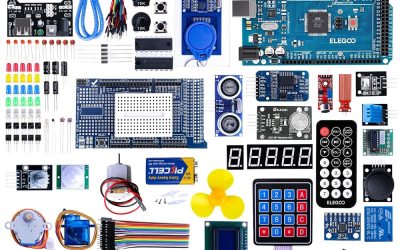
If a child already enjoys building and wants a project that grows with them, this robot kit is the natural choice. The listing says kids can learn to code with Scratch and Arduino while assembling a robot, and it is described as an educational building gift. Scratch is a block based language that many schools use, and Arduino is a popular controller platform, so this kit touches two respected ways into programming. It is a sound choice for gifting to a child who already asks how things work.
The idea behind a kit like this is that the child builds the machine first and then writes code to bring it to life. That order makes abstract commands feel concrete, because a mistake in code shows up as a robot that turns the wrong way or stops too soon. The title does not list parts or the exact robot design, so buyers should read the listing carefully for what is included and what extra tools may be needed. Expect a mix of building time and coding time rather than instant play.
This pick is best for tweens and teens, and for confident younger builders working with an adult. It rewards patience, since assembly, wiring and coding all take time. Kids who like model making, mechanical toys or electronics will feel at home. It also works as a bridge for children who have finished a simple floor robot and want something with real depth and room for experiments. Shared builds between a parent and child can turn into a lasting hobby.
Safety and planning matter more here than with a simple toy. Electronic parts, small screws and batteries call for adult supervision, especially with younger builders, and a clean workspace helps keep tiny pieces from rolling away. Check the listing for the computer needed to run the software, since programming usually takes place on a laptop or desktop. Allow a few relaxed weekends instead of expecting a finished robot in one sitting. Keep the instruction pages and spare parts together in one labeled box.
4. ELECFREAKS Retro Coding Arcade for Microsoft: Best Game Making Console

Our score: 9.0/10 iOur editorial score (1 to 10), based on listing specs, features and how well each pick fits its use case. It is not an Amazon customer rating.
ELECFREAKS Retro Coding Arcade Microsoft MakeCode DIY handheld console
Most kids love games, and this kit turns that love into a coding project. The ELECFREAKS Retro Coding Arcade is described as a DIY programmable handheld game console for use with Microsoft MakeCode. Instead of only playing a game, the child designs and programs one. That shift from consumer to creator is exactly why it earns a place on a coding toys list, and it stands apart from every robot here. It is a fun upgrade from games that only entertain.
MakeCode is a free, block based editor that also supports text code, so a beginner can drag blocks while a curious older child can peek at the written version. According to the title, the console is programmable and built by the user, which suggests some assembly. Because the title is cut off before the age note, buyers should confirm the recommended age and whether any tools or extra batteries are needed. Early projects might simply move a character across the display before adding rules.
This pick suits kids and teens who like arcade style games and want to make their own sprites, levels and rules. It teaches events, variables and logic through a result they can hold in their hands and show to friends. Classmates can swap games, which adds a social side. It is a smart match for a child who finds robots less exciting than screens but still needs a creative outlet. Showing finished games to family gives a real sense of achievement.
Plan for a computer to write and send code to the console, and check the listing for connection details. Handheld electronics include small parts and a circuit board, so adult supervision helps with younger children, and the board should be handled gently. A short list of project ideas, such as a maze, a catching game or a simple quiz, gives a first session a clear goal and avoids blank screen frustration. Keep the console in a case or drawer so the exposed board stays protected.
5. Screen-Free Coding Robots for Kids Ages: Best for Ages 5 to 7

Our score: 9.2/10 iOur editorial score (1 to 10), based on listing specs, features and how well each pick fits its use case. It is not an Amazon customer rating.
Screen free robots Ages 5 to 7 STEM kit Programming toys
This set is aimed squarely at ages 5 to 7, which makes it the easiest pick to match to a child in first or second grade. The title describes screen free coding robots as a STEM kit and programming toy, and it is positioned as an educational gift. A clear age band takes the guesswork out of shopping, since many coding toys quietly assume skills that young children have not yet built. It is a friendly place to start for a child who has never coded.
Screen free coding relies on physical controls and simple commands instead of typing or tapping on a display. Children plan a route in their heads, program it into the robot, and watch it move. The title uses the plural, robots, so buyers should check the listing to see how many robots or pieces come in the box and whether a mat, cards or other accessories are included. Mats, cards or extra pieces, if any, are worth checking on the listing.
The best fit is a child who is learning to read, count and follow multi step directions. Coding practice reinforces all three, because a sequence of commands is a small story told in order. Parents can join in by posing short challenges, such as reaching a toy across the room in four moves. Teachers can use the set for stations, where small groups share a robot and compare solutions. Keep sessions playful, since seven year olds tire quickly of drills.
A few points deserve a look before ordering. Confirm the battery type and whether batteries are included, because many electronic toys leave them out. Keep any small parts away from younger siblings, and store the set in a bin so loose pieces do not vanish. If a child gets frustrated, shorten the challenge instead of pushing on, since quick early wins keep interest high. Spare batteries on hand prevent a stalled afternoon.
6. STEM Toy, Robots for Kids, Early: Best for Early Elementary Classrooms

Our score: 9.0/10 iOur editorial score (1 to 10), based on listing specs, features and how well each pick fits its use case. It is not an Amazon customer rating.
Early programming robot kit Screen free coding Kids 5 to 7 Elementary STEM
Teachers and homeschool parents will find a lot to like in this early programming robot kit. The title calls it a STEM toy and robot for kids, uses the words screen free coding for kids 5 to 7, and points to elementary learners. That language signals a tool meant for structured lessons as much as for a birthday gift, and it is why this pick leads the classroom oriented group. That mix of play and structure is rare among toys.
A robot kit in this style lets children program a machine without a computer. They think through a sequence, enter it, and compare the result with what they expected. The title does not list exact parts or the control method, so the listing page is the place to confirm whether the kit has buttons, cards or a board, and how many activities or challenge cards are included for group lessons. Reading the full page also reveals how many challenge cards or lessons come with it.
It suits a child who is just starting school and enjoys robots, but it is also a handy classroom station or center. Small groups can plan together, which builds communication and teamwork alongside logic. At home, it works well for family game time, with each person taking a turn to write a program. Because the target age matches many first and second grade curriculums, the kit can support what children already learn. Many children enjoy explaining their plan aloud before pressing go.
Practical notes matter in a shared setting. Check the battery needs and decide who handles replacements, label pieces if several kits share a shelf, and keep small parts away from younger children. A flat, uncluttered surface helps the robot move predictably. If you already own another screen free robot, compare the two listings first so you do not end up with overlapping learning goals. A basket for loose pieces keeps a shared shelf tidy.
7. Educational Coding and Gaming, For Kids: Best Tabletop Coding Game

Our score: 9.2/10 iOur editorial score (1 to 10), based on listing specs, features and how well each pick fits its use case. It is not an Amazon customer rating.
Educational coding and gaming Kids and teens Ages 8+ Tabletop friendly
This one stands out because it mixes coding with game play. The title describes educational coding and gaming for kids and teens ages 8 and up, with a tabletop friendly design that is interactive and fun. Where a robot kit asks a child to focus alone, a tabletop setup invites others to sit around and join in. That social angle makes it an appealing choice for family evenings or after school clubs. It broadens the list beyond robots in a useful way.
Because the title is cut off, the exact way it works is not spelled out, so buyers should read the listing for the format, the number of players and any app or device requirements. The phrase interactive suggests that the player does something and the product responds, which is a good model for coding ideas such as cause and effect, commands and loops. Expect game style challenges rather than long lessons. Always confirm the player count, since tabletop sets vary widely.
It fits kids and teens who like tabletop games, puzzles or strategy and want to see coding in that light. The 8 plus age range makes it a good next step after a screen free robot from the earlier ages. It may also suit gift buyers who worry that an obvious learning toy will feel like homework, since the gaming framing helps it feel like play from the first minute. Teen siblings can join, which helps when ages in the house are mixed.
Check the listing for what is in the box, whether batteries or a device are needed, and how much space the setup takes. Tabletop play works best on a clear table with good lighting, away from drinks and snacks. If several children will play together, agree on turns before starting so the most eager child does not take over every round. Agreeing on a few house rules keeps game nights calm.
8. Screen-Free Coding Robot Teaches Toddlers Early: Best for Toddlers and Pre-K Starters
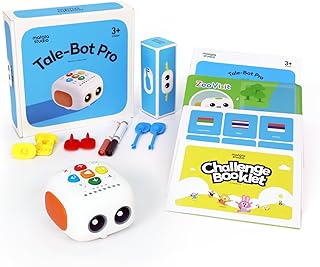
Our score: 9.4/10 iOur editorial score (1 to 10), based on listing specs, features and how well each pick fits its use case. It is not an Amazon customer rating.
Screen free coding robot Toddlers Early programming Pre-K learning
Not every coding toy has to wait until a child can read. This robot is described as screen free and aimed at toddlers learning early programming, with interactive STEM learning for pre-K. It is the youngest oriented pick on the list, which makes it a useful option for families with a little one who copies an older sibling and wants a robot of their own. It is a thoughtful pick for homes with a preschool aged child.
At this age, the goal is not writing code but meeting its building blocks: pressing a button, noticing a response, and putting actions in order. A simple coding robot can introduce words like forward, turn and stop through play. The title is cut off before the end, so buyers should check the listing for the precise age marking, the control method and what the robot does during play. Repeating the same short play pattern helps toddlers absorb each idea.
It suits toddlers and preschoolers who enjoy cause and effect toys and need lots of repetition. Parents can narrate what the robot does, which builds vocabulary along with logic. It also helps siblings play together, because an older child can set a task while the younger child watches or presses a button. Think of it as a first step on the ladder instead of a full programming course. Praise effort instead of results to keep confidence high.
Honesty about age matters here. Check the listing for any small parts warning, because toys with batteries and small pieces are not right for children who still put things in their mouths. Always supervise, secure battery doors and keep the robot away from stairs. Expect short sessions of a few minutes, and let the child lead instead of directing every move. Treat it as a parent and child activity, not independent play.
9. Mechanical coding wheel programs the robot: Best Mechanical Coding Wheel

Our score: 9.0/10 iOur editorial score (1 to 10), based on listing specs, features and how well each pick fits its use case. It is not an Amazon customer rating.
Mechanical coding wheel Programs the robot Throw, lift, kick, draw Physical actions
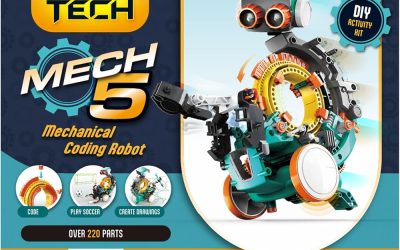
This robot takes a different path from every other pick, and that is the reason to include it. The title describes a mechanical coding wheel that programs the robot to throw, lift, kick, draw and perform other actions. Rather than buttons or a screen, a physical wheel holds the program, so the child can see and touch the instructions. For curious children, that tangible approach is memorable and a little magical. It gives the list a hardware flavored twist.
The idea of a mechanical program has deep roots in computing history, where machines followed patterns stored in physical form. Here, a child arranges the wheel, sets the robot running, and watches the sequence play out through actions such as kicking or drawing. The title does not specify the robot design or how many wheel settings exist, so buyers should read the listing for details and any age guidance. Reading the listing also clarifies how the wheel is changed between runs.
This pick suits kids who like mechanical toys, gears and building, and who enjoy the thrill of a toy that does something surprising. It works especially well for children who find screens dull. Parents get a good conversation starter about how a machine can store instructions without needing a screen. The drawing action also invites creative play, since the robot can leave a visible result on paper. Taping paper to the table can make the drawing action more rewarding.
Look carefully at the listing before buying, because the title does not confirm the age range, assembly needs or what extra items, such as pens or paper, might be required. Mechanical parts can pinch small fingers, and a throwing or kicking action means the play area should be clear of breakable objects. Adult supervision is smart, especially for younger children and during first use. Store the wheel and any small accessories together to avoid losing them.
How to Choose the Best Coding Toys
What Makes a Coding Toy Different From a Robot Toy
A coding toy asks the child to give instructions and then see the results. A plain remote control robot only follows live commands, so nothing is stored or planned. A coding toy lets a child write a sequence, run it and change it, which is the heart of programming. That planning step is what turns play into learning. Clear terms save buyers from disappointment.
When comparing listings, look for words such as programmable, sequence, blocks, Scratch or app. Those hints show that a child can build a repeatable set of steps. If a title only mentions driving or controlling, the toy may be fun but it will teach little about code, so check the product description before buying. That detail alone separates real coding toys from simple gadgets.
Screen Free Coding Versus App Based Coding
Screen free coding toys use buttons, cards, wheels or boards to enter commands. They suit young children, families who want less screen time and classrooms with limited devices. Because the instructions are physical, a child can point at each step and explain what will happen next, which builds language and logic together. It is a quick check worth doing for every candidate.
App based toys, like the Sphero Mini kit on this list, use a phone or tablet for programming. They tend to offer richer lessons, quicker feedback and room to grow. The trade off is the need for a compatible, charged device. Many families start screen free and move to apps once a child is reading confidently. Many families end up using both styles at different stages.
Matching Coding Toys to Age and Reading Skill
Age bands on the listing are the best first filter. Toddlers and preschoolers do best with one or two button robots and simple movement words. Children of five to seven can handle short sequences of several steps, while eight and older can move to block based languages and apps without much help from an adult. Matching the level keeps a child confident.
Reading matters more than many buyers expect. Written instructions, app menus and challenge cards need decent reading skill, so a strong reader may enjoy a toy aimed above their age, while a reluctant reader may prefer one below. When in doubt, choose the toy that sets up quick early wins. A small stretch is healthy, but a big leap usually backfires.
Block Coding, Scratch, MakeCode and Arduino Explained
Block coding lets children snap together visual pieces instead of typing. Scratch is a well known block language used in many schools, and Microsoft MakeCode offers a similar style for games and small devices. Both teach loops, conditions and variables without the frustration of missing punctuation, which is why they are favorites for beginners. Each tool leads naturally to the next.
Arduino is a small, popular controller board that reads sensors and runs motors. Kits that pair Scratch with Arduino let a child begin with blocks and later explore text based code on real hardware. These kits suit older children, and they usually need a computer, careful assembly and an adult nearby for wiring. Whichever route a child takes, the logic transfers easily to other languages.
Safety Checks for Batteries, Small Parts and Moving Pieces
Many coding toys use batteries, and some include tiny fasteners or circuit boards. Always check the age marking on the listing and keep small parts away from children under three. Battery doors should be secured, spare batteries stored out of reach, and used batteries removed from toys that will sit on a shelf for a long time. A simple routine of checking toys before each session helps.
Moving robots can pinch fingers or roll off tables, and toys that throw or kick need clear space. Set up a play area on the floor with nothing fragile nearby. Adults should handle assembly, charging and any tool use, and no product listing can promise that a toy is risk free. Treat these steps as part of the fun, not a lecture.
Budget Logic for Coding Toys Without Overspending
Good value is not the same as the lowest listed amount. Think about how long a child will stay interested, how many different projects the toy supports and whether siblings or classmates can share it. A robot with many challenge types often outlasts a one trick gadget, even if it costs more at first. Smart shoppers compare the full package.
Check what is included and what is missing. Some kits need batteries, a computer, a phone or tablet, or extra tools, and those extras change the true cost. Because prices shift, the live listing is the only reliable source, so compare two or three options on the day you buy. A moment of research up front prevents regret later. Comparing two or three options side by side makes the best value clear.
Building a Simple Learning Path From First Robot to Real Code
A smooth path starts with a screen free robot for ages four to seven, where the child learns sequences and debugging. Next comes an app or tabletop game around age eight, which introduces blocks, loops and conditions. After that, Scratch, MakeCode and Arduino projects stretch the skills toward real devices and original ideas. Progress should feel natural instead of forced. A calm pace also protects a child from feeling rushed.
Children do not have to follow every step. A confident six year old may jump to an app, and a curious ten year old may enjoy a floor robot first. The goal is to keep challenges just hard enough to feel exciting, then move up once the current toy feels easy. Keeping older toys around is useful for younger siblings. Each step up should feel earned.
Setting Up Play Sessions That Keep Kids Interested
Short sessions beat long ones, especially for beginners. Ten to twenty minutes with a clear goal, such as reaching a toy in four moves, keeps focus high. Let the child choose the challenge, then add one small twist, like avoiding an obstacle, so each round feels fresh instead of repeating the same task. Small routines make a big difference. A timer on the table helps children stop on a high note.
Talk through mistakes as puzzles, not failures. Ask what the robot did, what the child wanted it to do, and which step to change. That habit of trying ideas and adjusting them is the most useful skill coding toys can teach, and it carries over to schoolwork and everyday problem solving. Parents who join in often see their child stay engaged longer. Parents who model curiosity often see children copy that attitude.
Classroom, Homeschool and Club Use
Teachers often want toys that work for groups. Screen free robots suit stations because pairs can share one device, while app kits work best when a class has enough tablets. Look for challenge cards, mats or lesson ideas on the listing, and plan how pieces will be stored and counted after each lesson. A tidy plan saves lesson time. Clear lesson goals also help substitute teachers or volunteers.
Homeschool families and after school clubs can mix several toys over a term. Start with a robot that anyone can use, add a game making project for older members, and finish with a showcase where children demonstrate what they built. Shared goals keep a mixed age group working together. Clear roles for each child keep sessions productive. A small shelf for each toy makes lesson changes quick. That final showcase gives every child a reason to polish their work.
Common Mistakes When Buying Coding Toys
The biggest mistake is buying above the child’s current level in the hope that they will grow into it. A toy that feels too hard on day one often ends up in a closet. Another mistake is ignoring what is not in the box, such as batteries, a computer or a tablet, which can stall a gift on its first day. A little research up front prevents most of these problems.
Buyers also trust the product name alone. Titles are often cut off, so read the full listing for age marking, parts, supported devices and lessons. Finally, avoid picking only on branding or looks. A plain looking robot with good challenges can teach far more than a flashy one with few activities. Avoiding these pitfalls keeps the first experience positive. Reading the full page twice is a habit worth building.
Gift Tips for Parents, Grandparents and Teachers
Coding toys make strong gifts when they match a child’s interests. A child who loves games may prefer the handheld console project, while a builder may love the Scratch and Arduino robot. Add a small note with a first challenge to try, so the child can start playing as soon as the wrapping comes off. A personal touch makes the present memorable.
Order early and check delivery windows on the listing, since stock and shipping can change. Remember that batteries may not be included, so pick up a spare set. A gift receipt helps if the age range turns out to be a poor match, and a short message to the parents about supervision is always welcome. Thoughtful extras turn a toy into a complete gift.
Frequently Asked Questions
What are the best coding toys for beginners?
Screen free coding robots are the gentlest start, since a child enters commands by hand and watches the result. The ages 4 plus robot and the ages 5 to 7 sets on this list are good places to begin.
At what age can kids start learning to code with toys?
Many toys are marked for ages four and up, and a few list toddlers or pre-K. At that age the goal is simple sequencing, not typing code. Always follow the age marking on the listing.
Do coding toys always need a screen?
No. Several picks here are screen free and use buttons, cards or a wheel. Others, like the Sphero Mini kit and the MakeCode arcade, need a phone, tablet or computer, so check the listing.
Which coding toy is best for older kids and teens?
The Scratch and Arduino robot kit and the ELECFREAKS Retro Coding Arcade give older children real programming platforms. Both suit builders who want more than a simple floor robot.
Are coding toys safe for young children?
Safety depends on the toy and the child. Look for the age marking, keep small parts and batteries away from toddlers, and supervise play. No listing can promise that a toy is free from every risk.
What is the difference between Scratch and Arduino?
Scratch is a block based language for making programs on a computer. Arduino is a small controller board that runs real hardware. Some kits combine them so a child can code and then build.
Can siblings share one coding toy?
Yes, especially screen free robots and tabletop games. Older children can set challenges while younger ones press buttons or watch. Taking turns and setting simple rules helps everyone stay involved.
How do I know if a coding toy needs batteries or charging?
Read the full listing, not just the title. Look for notes about batteries, charging cables, included items and compatible devices. If the page is unclear, plan to buy spare batteries just in case.
Will a coding toy teach real programming?
Yes, in an early form. Toys teach sequencing, loops, debugging and logic, which are the same ideas used in real code. Block languages and Arduino kits take that a step closer to professional tools.
How do I keep a child interested in a coding toy?
Use short sessions with clear goals, let the child pick challenges and add a new twist each time. Celebrate small wins, and move to a harder toy once the current one feels easy.
The Bottom Line
The best coding toys meet a child where they are. For most families, the screen free coding robot for ages 4 and up is the top pick, thanks to its wide age range and simple, visible way of teaching sequences. It is a low pressure start that parents and teachers can both use.
Older children can move on to the Sphero Mini kit, the Scratch and Arduino robot or the ELECFREAKS arcade. Check each live listing for current prices, contents and age marking, and keep adult supervision in the plan.
Updated for the 2027 buying season. Amazon listings and availability change often, so check the product page for current details.



Write Your Review
No reviews yet. Be the first to share your experience!