

As an Amazon Associate we earn from qualifying purchases. If you buy through links on this page we may receive a commission at no extra cost to you. Product details come from Amazon listings and can change.
If you are shopping for the best board books, you probably want titles that can survive a drooling, page grabbing, book throwing baby and still be fun to read at bedtime. This guide covers nine board book picks chosen for babies, toddlers and the grown ups who read to them, from a boxed library of ten books to padded word books, lift the flap titles, a bedtime classic and a solar system book with cutouts.
Board books use thick card pages that small hands can turn without tearing, which makes them the first real books many children own. Some picks here are classics that families hand down, while others add flaps, padding or cutouts to keep wiggly readers engaged. Each entry explains what the title tells us, who it suits and what to check before you buy.
Prices change often, so we link to live listings instead of quoting numbers here. Always confirm the age range, format and page details on the product page, because editions and sizes can differ. Adult supervision still matters, since even sturdy books can have flaps that loosen over time.
Key Takeaways
Best Board Books at a Glance
| Product | Our score | |
|---|---|---|
| My First Library: Boxset of 10 Best Overall |
9.2 / 10 | Check Price |
| First 100 Words: A Padded Board Best for First Words |
9.4 / 10 | Check Price |
| Where’s Spot?: A Lift-the-Flap Book Best Lift the Flap Classic |
9.6 / 10 | Check Price |
| Dear Zoo: A Lift-the-Flap Book Best Zoo Theme Flap Book |
9.6 / 10 | Check Price |
| The Going To Bed Book Best for Bedtime |
9.6 / 10 | Check Price |
| Peek-a Who? (Lift the Flap Books Best Interactive Read Aloud |
9.6 / 10 | Check Price |
| 8 Little Planets: A Solar System Best for Space Curious Kids |
9.6 / 10 | Check Price |
| We’re Going on a Bear Hunt Best for Group Storytime |
9.6 / 10 | Check Price |
| Polar Bear, Polar Bear, What Do Best for Listening Games |
9.6 / 10 | Check Price |
How We Chose the Best Board Books
This is a research based guide, not a lab comparison. We looked at each listing title and format, the book type it describes, the age range families usually associate with it and how well the group covers different needs, such as first words, bedtime, interactive reading and learning about the world. Where the listing gives little detail, we speak in general terms and tell you what to confirm on the product page.
Because board books are physical items that babies chew, bend and drop, we weighed format features such as thick pages, flaps and padding against the practical question of how long a book is likely to last. Every pick has an editorial score out of 10 based on features, specs and use case fit. We do not summarize stories or quote text, so you can judge the content yourself.
In-Depth Reviews
1. My First Library: Boxset of 10: Best Overall

Our score: 9.2/10 iOur editorial score (1 to 10), based on listing specs, features and how well each pick fits its use case. It is not an Amazon customer rating.
Boxset of 10 Board book format For kids Starter library
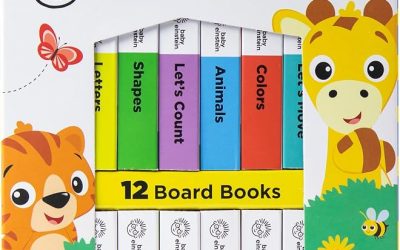
My First Library: Boxset of 10 Board Books for Kids earns the top spot because it solves the hardest part of starting a home library, which is choosing a first batch of books. The listing describes a boxset of ten board books, so a family gets a whole small shelf in one order. That makes it a practical choice for baby showers, first birthdays and parents who want variety without hunting through dozens of listings. Many parents also like that a boxed set looks tidy on a shelf and makes the gift feel complete from the moment it is opened.
The set is sold as ten board books in a box, and board books are the format made for small hands, with thick card pages that resist bending. Because the title does not list the individual books or themes, check the product page for the exact contents before buying. Having ten books at hand also means you can rotate them, leaving a few in the basket and a few on a high shelf for later. Reading two or three from the box each day keeps sessions short, which suits babies who tire quickly and toddlers who wander off mid page.
This boxset suits families with babies and toddlers who are just beginning to look at pictures, point and turn pages. A mixed set can show a child what they enjoy, whether that is animals, shapes or everyday scenes, and it gives parents a way to build a reading habit with short sessions. The learning is simple but important: handling books, listening and connecting words with pictures. Grandparents and relatives can also dip into the same set, so the child hears familiar books from different voices during visits.
The main caveat is that a boxset gives less choice than picking each title yourself, so confirm the topics fit your child. Check the listing for the age range and the size of the books, since small books are easy to carry but also easy for toddlers to mouth. Keep the box for storage, and wipe covers with a barely damp cloth rather than soaking them. If a book in the set gets damaged, the others are still useful, so one torn cover does not spoil the whole purchase.
2. First 100 Words: A Padded Board: Best for First Words

Our score: 9.4/10 iOur editorial score (1 to 10), based on listing specs, features and how well each pick fits its use case. It is not an Amazon customer rating.
Padded board book First 100 Words Soft padded cover Baby and toddler
First 100 Words: A Padded Board Book is the pick for families who want a simple vocabulary book that feels a little softer than a plain card book. The title tells us it is a padded board book built around first words, which is a format babies tend to enjoy because it is easy to grip and pat. It earns its place for being focused, clear in purpose and easy to use in short bursts. It also gives caregivers who feel unsure what to say during reading a ready made structure, which can make daily book time feel easier.
A first words book usually pairs pictures of everyday things with labels, giving an adult an easy script for naming and pointing. The padding on the cover adds cushioning for bumps and drops, though the listing does not promise how it handles chewing or spills. Check the product page for the exact images and layout, because the title only states the format and the word focus. Short, repeated sessions tend to work better than one long sitting, so aim for a few minutes at a time whenever the child seems interested.
This book suits late babies and toddlers who are starting to link spoken words with objects. Parents can read slowly, let the child point, and repeat words at the pace the child sets. Older toddlers may enjoy quizzing a parent in reverse, which turns a baby book into a game and helps keep it useful past the first birthday. Because it is a vocabulary style book, it can pair well with real objects around the house, such as holding up a cup while pointing to the picture.
One caution is that padded covers can collect crumbs and sticky marks, so wipe them gently and let them dry before shelving. A book that gets handled constantly may show wear at the corners, so keep it in the reading basket instead of the toy box. Confirm size and age guidance on the listing, since editions vary. Giving the child their own copy to carry around can help build ownership, even when the page edges soften from handling.
3. Where’s Spot?: A Lift-the-Flap Book: Best Lift the Flap Classic

Our score: 9.6/10 iOur editorial score (1 to 10), based on listing specs, features and how well each pick fits its use case. It is not an Amazon customer rating.
Lift the flap Where’s Spot? Interactive Toddler friendly
Where’s Spot? is a lift the flap book, and that format is why it lands on this list. The title asks a question and the format invites a child to answer by opening flaps, so reading turns into a small search game. Families often keep a lift the flap title around for years, and a well known one like this makes a dependable gift. It also helps that the format is easy to explain to a new babysitter or grandparent, since the title itself tells everyone what to do.
Lift the flap books use hinged pieces of card that hide a picture or word underneath. Each page becomes a short moment of suspense, which helps squirming toddlers stay involved. The listing names the format but not the page count, so check the product page for the size and number of flaps before buying. Reading it slowly and waiting a beat before each flap helps children learn the pleasure of anticipation without rushing ahead.
Toddlers learn a lot from this kind of play, including cause and effect, taking turns with an adult, and the idea that hidden things still exist. An adult can slow down, ask where something might be hiding, and let the child guess. Older siblings can take over the reading, which makes the book a good shared activity. A child who masters flaps on a book like this often feels proud, and that confidence carries into other books on the shelf.
Flaps are the weak point of any lift the flap book, so teach gentle lifting early and read it together at first. A loose flap can be mended with clear tape on the inside, ideally by an adult. Because small torn bits can be a choking concern, remove damaged flaps rather than leaving them within reach of a mouthy baby. Keep the book on a low shelf where the child can reach it, since regular practice with gentle lifting reduces accidental tugging.
4. Dear Zoo: A Lift-the-Flap Book: Best Zoo Theme Flap Book

Our score: 9.6/10 iOur editorial score (1 to 10), based on listing specs, features and how well each pick fits its use case. It is not an Amazon customer rating.
Lift the flap Dear Zoo Animal theme Board book style
Dear Zoo: A Lift-the-Flap Book is the second flap title on the list, and the zoo in its name gives it an animal theme that many toddlers love. The listing shows it is built around lifting flaps, so each page hides something to find. It earns its slot because it pairs a clear theme with an interactive format that adults can read aloud easily. Many families keep a flap book near the sofa so it is easy to grab during short gaps in the day, such as before dinner.
Animal books are popular with toddlers because creatures are easy to recognize and fun to imitate. With a flap book, a parent can pause before each reveal and invite the child to make a noise or a guess. The title does not describe the individual pages, so confirm details on the listing and avoid assuming specific animals or story beats. Taking turns lifting flaps lets two children share the book without squabbling, and it gives the adult a chance to praise gentle handling.
This book suits toddlers who like to point, lift and name things, and it works for two year olds who are building a spoken vocabulary. Reading it can become a routine, since the same pattern of lifting and revealing helps children predict what comes next. That sense of prediction is a quiet but valuable early literacy skill. Toddlers often ask for the same title again and again, which is normal and helps them learn the pattern of the pages.
As with any flap book, adult supervision helps protect the flaps and keeps pieces from ending up in mouths. Read it on a lap or at a table so the pages stay flat, and store it upright on a shelf instead of under heavy toys. If you want a sturdier format, check whether the listing offers a board book edition. If you own several flap books, rotate them so each one feels fresh instead of leaving them all out at once.
5. The Going To Bed Book: Best for Bedtime
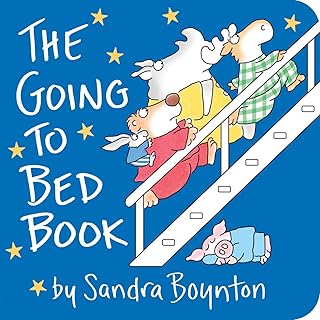
Our score: 9.6/10 iOur editorial score (1 to 10), based on listing specs, features and how well each pick fits its use case. It is not an Amazon customer rating.
Bedtime title Going To Bed Classic format Calm routine
The Going To Bed Book is the bedtime pick, and its title tells you exactly where it belongs in the day. Families often build evening routines around a short, familiar book, and a title built on going to bed gives parents an easy cue that the day is winding down. It is on this list for fitting a real household need, not just for being cute. Some families add a small ritual, such as a goodnight wave to favorite toys, so the book ends on a warm, sleepy note.
A bedtime book works best when it is predictable, quiet and short enough to finish before eyelids drop. The listing gives only the title, so check the product page for the format, size and page details before you buy. Do not expect a lot of bells and whistles, since the purpose of a book like this is calm repetition instead of excitement. It also helps to read it at the same time each night, since predictable timing signals the body that sleep is coming.
This book suits toddlers and preschoolers who resist bedtime, and also babies who simply enjoy the rhythm of a regular reading time. Pairing it with a bath, pajamas and dim lights teaches the child that books mean rest. A familiar book at the end of the day can also give an anxious little one something steady to hold onto. Older siblings may enjoy reading it to a younger child, which gives them a calming job and helps the whole house settle.
The practical caveat is that bedtime books get read dozens of times, so wear shows quickly on corners and spines. Keep it on the bedside shelf and away from cups and snacks in the bed. Reading it in a quiet voice, with the lights low, helps the routine last, and you can swap in a second title on nights when one book is not enough. If the book becomes a favorite, a spare copy or a sturdy library loan can be handy for trips away from home.
6. Peek-a Who? (Lift the Flap Books: Best Interactive Read Aloud

Our score: 9.6/10 iOur editorial score (1 to 10), based on listing specs, features and how well each pick fits its use case. It is not an Amazon customer rating.
Lift the flap Interactive book Read aloud Peek a Who?
Peek-a Who? is described in its listing as a lift the flap book and an interactive read aloud for kids, which is why it fits a guide to board books for young listeners. The title is built around a peekaboo style game, and many babies and toddlers enjoy that kind of surprise. It earns its place for being playful from the very first page. Many toddlers laugh at the sudden reveals, and that shared laughter is a lovely reason to keep returning to the book.
The listing says it belongs to lift the flap books and interactive books, so expect flaps that open to show something hidden. We cannot describe the images or words, because the title does not state them. Check the product page for sample pages, format and size so you know whether it is a true board book edition. Reading it a second time lets the child do the lifting while the adult talks, which shifts the energy from watching to doing.
Peekaboo is one of the first games babies learn, and a book that borrows the idea can extend it into reading time. Parents can cover their eyes, lift a flap and wait for the child to react. Toddlers who are learning to speak can join in with sounds, guesses and pointing, so the same book grows with them. It can also be a calming activity before a nap, as long as the adult keeps the voice soft and the pace steady.
Because the book relies on flaps, keep a gentle approach and let an adult lead until the child learns how to lift without tugging. Read it in a spot where pages will not be caught or bent, such as on a lap. If a flap does tear, remove loose pieces so a baby cannot put them in their mouth. Keep it with other interactive titles in one basket so the child learns where to find books that need a gentle touch.
7. 8 Little Planets: A Solar System: Best for Space Curious Kids

Our score: 9.6/10 iOur editorial score (1 to 10), based on listing specs, features and how well each pick fits its use case. It is not an Amazon customer rating.
Solar system book Planet cutouts 8 Little Planets For kids
8 Little Planets: A Solar System Book for Kids with Unique Planet Cutouts is the pick for children who look up at the night sky and ask questions. The listing says it covers the solar system and includes unique planet cutouts, which adds a touch and feel element to the pictures. It stands out in this guide as the one that brings in science, not only everyday routines. Some families bring a flashlight into the room to turn the book into a small night sky adventure, with an adult holding the light.
Planet cutouts are shaped holes or edges that give each page a different look. That makes the book easier to browse for toddlers who like to poke fingers through shapes, and it gives a parent something to point at while talking about space. The title does not say how much text it has, so check the listing for the format and reading level. Looking at the cutouts together can also open conversations about size, color and which planet is nearest the sun, as far as the adult knows.
This book suits curious toddlers, preschoolers and early school children who are starting to hear the word planet. A parent can count the planets, name them and talk about the sun, even if the child only remembers one or two. Older children can use it as a first step before moving to a longer science picture book. Parents who enjoy science may find it a gentle bridge to library books, museum visits and simple backyard stargazing with an adult.
Cutouts can be a little fragile at the edges, so teach gentle page turning and keep the book away from drinks. Because the title does not state the exact format, confirm on the listing whether it is a board book or a different binding. Pair it with a night time walk or a toy model to make the idea of planets concrete. A shelf spot at child height lets curious readers revisit the book on their own, which suits kids who like to study pictures quietly.
8. We’re Going on a Bear Hunt: Best for Group Storytime

Our score: 9.6/10 iOur editorial score (1 to 10), based on listing specs, features and how well each pick fits its use case. It is not an Amazon customer rating.
Classic board book Bear Hunt Read aloud title Sibling friendly
We’re Going on a Bear Hunt is listed in a classic board books edition, so it brings a well loved title to the sturdy card format. The name alone suggests an adventure, and many families use it for lively group reading. It earns its place for working well with more than one child at once. Teachers and librarians often reach for read aloud titles in this style because many children can follow along even when they cannot yet read.
The listing says classic board books, which tells us the pages are made of thick card for little hands. We do not describe the story, because the brief for this guide is to stay with what the title states. Check the product page for size and edition details, since a board book edition can differ from a picture book edition. Try letting each child choose one action, such as tiptoeing or whispering, so everyone feels part of the performance.
This title suits toddlers and preschoolers who enjoy joining in, and it works for a parent with two or three children on the sofa. Adults can add actions, voices and pauses, turning storytime into something close to a small performance. That kind of shared reading supports listening skills and gives quieter children a chance to take part. Younger children may want to hold the book themselves, so decide in advance who turns the pages to avoid arguments.
A good tip is to keep a board book like this in the car or bag for waiting rooms, since sturdy pages handle travel. Because it is likely to be read many times, expect creases and softened corners as it ages. If siblings fight over the book, give each child a turn choosing which part to act out. A second copy can be worth considering for busy homes, with one for the bedroom and one for the car or bag.
9. Polar Bear, Polar Bear, What Do: Best for Listening Games

Our score: 9.6/10 iOur editorial score (1 to 10), based on listing specs, features and how well each pick fits its use case. It is not an Amazon customer rating.
Classic board book Brown Bear and Friends Polar Bear title Question style title
Polar Bear, Polar Bear, What Do You Hear? is described as a classic board book in the Brown Bear and Friends group, so families who already own a book from that series may want to add it. The title is a question, which makes it a natural fit for an adult reading aloud and pausing. It earns its slot as the listening game pick. Many parents like to read this kind of book slowly, leaving a pause after each question so the child has time to think of an answer.
The listing names the format and the series, but does not state the contents, so we leave story details out. A question in the title usually invites a child to answer, and a sound based question invites listening. Check the product page for the page size and edition before you buy, because details can vary. Making the sounds together turns reading into a short game and helps shy children try new noises without pressure.
This book suits babies and toddlers who enjoy repeating sounds and animal noises, and it works well for families who like read aloud routines. Parents can ask the child to make a sound, then compare it to the one in the book. Siblings can take turns being the reader, which supports confidence for early talkers. A child who knows an earlier title from the group may enjoy spotting the similar style and feel proud of recognizing it.
A caution is that a popular title may exist in several formats, so look for the classic board book wording on the listing if you want the sturdy edition. Store it with other board books on a low shelf so the child can pick it out. Wipe the cover gently and keep it away from water to protect the pages. A little care keeps classic books going, so show the child how to close the cover gently and put it back in its spot.
How to Choose the Best Board Books
What makes a board book different
A board book is a book printed on thick, stiff card instead of thin paper, with rounded corners on many editions. That construction lets babies grab, bang and flip pages without tearing them, which is why board books are the standard first books for the youngest readers. Rounded corners and thick pages also make these books easier to pass between siblings without anyone getting scratched or a page getting bent.
Not every title called a book for babies is a true board book, so read the listing carefully. Some picture books look similar but use thin pages. If durability matters, look for the words board book in the title or format line, as several picks in this guide do. If a listing does not state the format clearly, treat that as a reason to look closer or choose a title whose format is plainly named.
Choosing board books by age: babies versus toddlers
Babies in the first year mostly look, grab and mouth, so simple pictures, padded covers and short sessions suit them best. A first words style book or a small boxed library is a gentle start, because there is little to understand and plenty to explore with the hands. Parents of mixed age siblings often keep two baskets, one for the baby with plain pages and one for the toddler with flaps and cutouts.
Toddlers want to take part, so lift the flap books, question titles and group read aloud stories become more rewarding. Between about two and three, many children ask for the same book again and again. Pick a few favorites rather than buying many in a rush. Because children develop at different speeds, treat age ranges as a guide and follow the child’s own interest as the best signal of fit.
Why lift the flap books earn a spot
Flaps turn reading into a game of hide and find. For children who struggle to sit still, the chance to do something on each page keeps attention longer, and the surprise helps them remember what came before. That is why two flap titles and an interactive read aloud made the list. Start with titles where the flaps are large and easy to grab, then move to smaller ones as finger control improves with practice.
The trade off is durability. Flaps are thin hinges, and rough handling can tear them. Choose a flap book once a child can lift gently, or read it together until the habit sets in. Parents of very young babies may prefer plain board pages for the first months. Reading a flap book with a child on your lap lets you guide the hand and stop any tugging before a page tears.
Padded and boxed formats explained
Padded covers add a cushion that makes a book softer to hold and more forgiving when dropped. Parents sometimes like them for gifts because they feel special. Check the listing for the exact edition, since padding is a feature of the cover, not a promise about the pages inside. Gift givers sometimes prefer padded editions because they feel soft in the hand and look inviting when unwrapped at a party.
A boxed set bundles several books in one purchase, which is handy for gifting and for building a library fast. The trade off is less choice. Confirm the contents on the product page, and keep the box if you can, since it makes a handy storage case. Keeping the box lets you return a book to the set after reading, which helps the shelf stay organized and the books stay together.
Safety and materials: what to look for on a listing
Babies put everything in their mouths, so look for clear age guidance on the listing and any safety statement the seller provides. We do not state certifications for these titles, because the listing titles do not mention them. Read the product page and, if needed, ask the seller. Taking a minute to inspect each book after a long day of play can catch small problems before they become a hazard for a curious mouth.
Watch for loose parts such as torn flaps, peeling stickers or detached pieces. Throw away damaged bits and keep the book out of reach if a piece comes away. Adult supervision is the best protection with any book that has moving parts, whatever the format. Keep batteries, coins and other small objects away from book areas, since mixed play spaces are where small items often go astray.
Size, weight and portability
Board books vary from palm sized to large and chunky. A small book fits a diaper bag and a toddler hand, while a larger one is easier to share with a group. Check the listing for dimensions, because the title alone rarely says whether the book is small or big. Measure the space in your bag or basket before buying a large format title, since a book that does not fit may get left at home.
Thick pages add weight, so a set of ten books can be heavy to carry together. At home, a low basket lets the child choose a book without help. For trips, pick one or two favorites rather than packing the whole box. Chunky pages are tough but they do add up, so use a low, wide basket instead of a tall stack that can tip over.
Building a home library without overspending
Value comes from how often a book is read, not from how many you own. A boxed set can spread the cost across many titles, while single classics are worth it when your child clearly loves them. We do not quote prices, because they change, so compare live listings before you order. Check whether a favorite title is already in your local library, because borrowing first can show whether the child truly loves it before buying.
Library loans, hand me downs and swaps with friends all help stretch a budget. Many families buy a few favorites to keep and borrow the rest. Rotating a small group of books every week or two can make a modest collection feel new again. Secondhand copies in good shape can be a fine way to build a shelf, as long as pages are clean, flat and free of loose pieces.
Reading aloud: simple habits that help
Read at a pace the child can follow, point to pictures and pause before each reveal. Ask short questions such as where something might be, and give the child time to answer with a sound or a point. A few minutes of focused reading is better than a long, tired session. Choose a quiet corner with soft light so the child can focus on the pictures, and switch off screens nearby to keep the mood calm.
Let the child lead where possible. If they want to skip pages or return to one picture, go along with it. Use different voices and gentle actions, and finish on a warm note. Over time the routine becomes something the child asks for, which is the real goal. Reading together at several set times, such as after breakfast and before a nap, gives the day a gentle rhythm that many toddlers enjoy.
Care and cleaning for sticky hands
Board books can be wiped with a barely damp cloth, then left open to dry. Avoid soaking the pages, since card can swell and the layers may separate. Skip harsh sprays, because babies mouth their books and residue is not worth the risk. Let books dry away from radiators and direct sun, which can warp card and fade covers over time if they sit there for days.
For padded covers, check that the surface dries fully before shelving, as trapped moisture can cause odor. Store books upright on a low shelf rather than in a pile under toys. Teach the child to close the cover gently, which prolongs life for any title on the list. Check corners and flap hinges each week, and mend small tears early with clear tape applied by an adult, so tiny problems do not grow.
Common mistakes when buying board books
One frequent mistake is buying a book that is too advanced, such as a longer science title for a young baby, and then thinking the child is not interested. Another is assuming every classic title comes in a sturdy format, when the listing might show a paper edition. Skipping a look at the product images is another trap, since photos often show the true size and layout better than the title can.
A third mistake is ignoring the product page details. Always check the age range, format, size and what is included, especially for boxed sets. Finally, avoid buying many similar titles at once. A varied mix of word books, flap books and bedtime books holds attention longer. Do not feel pressure to buy a complete series at once, because a child’s tastes change quickly and a smaller shelf is easier to refresh.
Gift tips for baby showers and birthdays
A boxed set makes an easy shower gift, because it gives the parents a ready made library. For a first birthday, a single classic with a short note inside the cover feels personal. Ordering early leaves time to confirm delivery windows on the listing and avoid last minute stress. Think about the child’s current interests, such as animals, space or bedtime, and choose a title that matches so the gift lands well.
Consider adding a small tote or basket so the books stay together. Include a gift receipt in case the family already owns a title. Pair a bedtime book with a soft blanket or pajamas for a gift that feels complete without being large. A handwritten note that mentions a favorite reading spot or a promise to read together makes the book feel like a shared plan, not just an object.
Frequently Asked Questions
Which board book is best for a newborn?
Newborns mostly respond to high contrast pictures and the sound of a caring voice, so almost any simple board book works. A padded first words title or a boxset of short books is a gentle option. Check each listing for age guidance.
At what age can a child use lift the flap books?
Many toddlers enjoy flaps from around the first birthday, with adult help. Younger babies may tug and tear them, so choose plain pages for the first months. Check the age line on the listing and supervise closely.
Are board books safe for babies to chew?
Board books are tougher than paper books, but babies can still bite off pieces, especially from flaps and corners. We do not make safety claims for these titles. Supervise, remove damaged bits and check the listing for age guidance.
How many board books does a baby need?
There is no set number. A handful of favorites that are read often beats a full shelf that is ignored. A boxed set of ten gives variety, and you can rotate a few at a time to keep things fresh.
Is a boxset better than buying single books?
A boxset is convenient for gifts and for building a library quickly, but single titles let you choose exactly what suits your child. Confirm the contents of the set on the listing, since the title may not name every book.
How do I clean a board book?
Wipe the cover and pages with a barely damp cloth, then leave the book open to air dry. Avoid soaking or using strong sprays. Padded covers need extra drying time, so do not shelve them while still damp.
Do board books help babies learn to talk?
Reading aloud exposes children to words, sounds and rhythm, and pointing and naming games can encourage early speech. Board books are not a treatment for speech delays, so talk to a pediatrician if you have concerns.
What is the best board book for bedtime?
Look for a short, calm book you can read in a quiet voice. The Going To Bed Book on this list is built around the bedtime theme. A familiar book at the same time every night helps a routine take hold.
Can toddlers read board books on their own?
Many toddlers like to flip pages, point at pictures and tell their own version of a story. This is healthy early reading behavior. Offer sturdy books in a low basket and sit nearby so they can ask for help.
Should I check the listing before buying a classic title?
Yes. Classic titles often come in several editions, such as picture books and board books. Read the format line, size and age guidance on the product page to be sure you are buying the sturdy card edition you want.
The Bottom Line
If you want a single purchase that covers the most ground, start with My First Library: Boxset of 10 Board Books for Kids, which gives a new reader a full small shelf in one go. It suits gifts, rotation and quick library building.
Add one or two individual titles to match your child, such as Where’s Spot? or Dear Zoo for flaps, The Going To Bed Book for evenings and 8 Little Planets for curious minds. Confirm format and age details on each live listing before you order.
Updated for the 2027 buying season. Amazon listings and availability change often, so check the product page for current details.

Write Your Review
No reviews yet. Be the first to share your experience!