

As an Amazon Associate we earn from qualifying purchases. If you buy through links on this page we may receive a commission at no extra cost to you. Product details come from Amazon listings and can change.
Choosing the best phonics books can feel confusing when a shelf holds mini book boxes, decodable sets, workbooks and talking card toys that all promise to teach reading. This guide sorts eight options by what each one actually does: some give a child short stories to sound out, some give drills and pages to write on, and some turn letter sounds into a talking game.
It is written for parents, grandparents, teachers and gift buyers who are helping a child in the preschool to first grade stretch, usually ages 4 to 7. We explain how each pick fits a stage of reading, where a title may be too easy or too hard, and which items need a grown up nearby, such as the talking card toys with sound features.
Prices change often, so we link to live listings instead of quoting numbers. Always read the age range, format and page details on the product page before you buy. Use the quick answer and takeaways to narrow your shortlist, then read the full picks for the details that matter to your child.
Key Takeaways
Best Phonics Books at a Glance
| Product | Our score | |
|---|---|---|
| Bob Books – Set 1: Beginning Best Overall |
9.6 / 10 | Check Price |
| Pete the Cat 12-Book Phonics Fun! Best Vowel Practice |
9.4 / 10 | Check Price |
| Pinkalicious 12-Book Phonics Fun!: Includes 12 Best Pink Themed Pick |
9.4 / 10 | Check Price |
| Fancy Nancy’s 12-Book Fantastic Phonics Fun! Best for Story Lovers |
9.4 / 10 | Check Price |
| Learn to Read Activity Book: 101 Best for Home Lessons |
9.4 / 10 | Check Price |
| Spectrum 1st Grade Phonics Workbooks, Vowel Best for Written Practice |
9.6 / 10 | Check Price |
| Talking Flash Cards, Phonics Flash Cards Best Talking Card Option |
9.0 / 10 | Check Price |
| Phonics Learning Toy for Preschool Kids Best Sound Machine Toy |
9.0 / 10 | Check Price |
How We Chose the Best Phonics Books
This is a research based guide, not a lab comparison. We read each listing carefully, compared titles and format details, and looked at how well each product fits a stage of early reading: first sounds, blending, short and long vowels, and first grade practice. We also weighed variety so the list covers readers, workbooks and talking card toys rather than eight copies of the same idea.
Because these are books and learning tools, we stick to what the title and listing state and speak generally about the rest. Parents should confirm age range, format and contents on the product page. Each pick carries an editorial score out of 10 based on features, specs and use case fit, which the site shows separately from the text.
In-Depth Reviews
1. Bob Books – Set 1: Beginning: Best Overall

Our score: 9.6/10 iOur editorial score (1 to 10), based on listing specs, features and how well each pick fits its use case. It is not an Amazon customer rating.
Box set Ages 4 and up Kindergarten Stage 1 readers
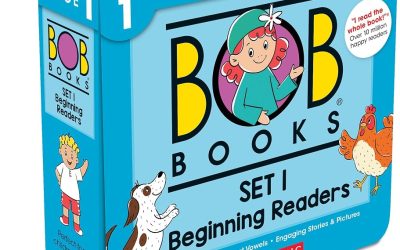
Bob Books Set 1 earns the top spot because its title spells out exactly who it is for: a beginning readers box set for ages 4 and up, labeled for kindergarten and marked as the first stage, Starting to Read. For a parent staring at a crowded shelf, that clarity matters. It tells you this box is meant for the very first steps of decoding, not for a child who already reads chapter books. Parents who want a trusted starting point for a first box often begin with a set labeled exactly for this stage, since it removes the guesswork about where to begin.
The set is sold as a box of beginning readers, and the listing links it to phonics. In general, books at this stage use a small group of letter sounds at a time so a child can sound out each word rather than guess from pictures. That gentle ramp is the reason box sets like this are a common starting point for new readers. Because each book is short, a child can finish one in a few minutes, and finishing is a powerful motivator for a four year old who is still building focus.
This set suits a child who knows some letters and is ready to try putting sounds together. It teaches the habit that matters most at the start: look at the letters, say the sounds, blend them into a word. Children who are still learning letter names may enjoy it more after some alphabet play first. It also gives a parent a natural checkpoint: when the whole box reads smoothly, it is time to look at the next stage rather than rushing ahead.
A practical tip is to read one book at a time, then reread it the next day, because repetition builds confidence. Check the listing for the exact number of books, page count and format before buying. Keep an adult beside the child for the first few sessions to model blending and celebrate small wins. Store the books in their box near a favorite chair so reading becomes a visible part of the day, and let the child pick which title comes next.
2. Pete the Cat 12-Book Phonics Fun!: Best Vowel Practice

Our score: 9.4/10 iOur editorial score (1 to 10), based on listing specs, features and how well each pick fits its use case. It is not an Amazon customer rating.
12 mini books Short vowels Long vowels Box set
Pete the Cat 12-Book Phonics Fun is the pick for families who want one box that digs into vowels. The title describes a box of 12 mini books featuring short and long vowel sounds, which is the part of English spelling that trips up many beginners. A series character that a child may already recognize can make the practice feel like a treat rather than a chore. Many parents like that the format keeps each lesson contained, so a missed day does not break a long storyline.
Mini books are small enough for little hands and quick enough to finish in one sitting, which helps with attention at this age. Because the set is organized around short and long vowels, a parent can work through sounds in order, starting with the short sounds heard in simple words, then moving to the long sounds that follow. The twelve titles can be sorted into short vowel and long vowel piles, which turns the box into a simple sorting game as well as a reading set.
This box suits children who have met the alphabet and are ready to see how vowels change the sound of a word. It teaches pattern spotting, such as noticing how a letter at the end of a word can change the vowel before it. Children who like a familiar picture book friend often stay with the task longer. A child who finishes the box will have met each vowel several times, a repetition that supports spelling when writing begins in earnest.
One caveat is that the title does not tell you the reading level in detail, so check the listing for the recommended age and the exact book contents. Sit with your child for the first book and point to each letter as you read. A short daily session usually works better than one long weekend marathon. If the listing shows an age range that looks high for your child, treat the set as a read aloud first and let the child join in with familiar words.
3. Pinkalicious 12-Book Phonics Fun!: Includes 12: Best Pink Themed Pick

Our score: 9.4/10 iOur editorial score (1 to 10), based on listing specs, features and how well each pick fits its use case. It is not an Amazon customer rating.
12 mini books Vowel sounds Mini format Series set
Pinkalicious 12-Book Phonics Fun is a sibling style set to the vowel box above, and it earns a place for children who prefer a different cast and a colorful theme. The title says the box includes 12 mini books featuring short and long vowel sounds, so the teaching goal is the same while the personality is different. A familiar look can be the difference between a child reaching for a book and ignoring it. Shopping for a second box in the same format can be a smart move when a child has outgrown the first one and wants fresh pictures with the same teaching goal.
Each mini book is meant to be read in a single short sitting, and the vowel focus gives a parent a clear order for practice. Spread the twelve titles across a few weeks, and the child gets repeated exposure to the same sound patterns in different words and pictures, which helps new reading skills settle in. Number the books on the spines with a sticky note so your child can see progress through the box, which adds a small sense of achievement each week.
This set fits a child who is beginning to sound out words and wants more than one kind of story to practice with. It teaches the link between written vowels and the sounds they make, a skill that carries into spelling later. Some households choose both vowel boxes so siblings or classmates can swap and compare. Siblings close in age can share the set, taking turns reading a page, which builds listening skills along with decoding.
A practical note is that the theme is clearly aimed at fans of the character, so a child with other tastes may lose interest. Look at the listing for the recommended age and page details. If a book feels too hard, put it aside for a week and return later rather than pushing through frustration. Check the listing for the box size so it fits on your shelf, and store the books together so none of the twelve minis go missing.
4. Fancy Nancy’s 12-Book Fantastic Phonics Fun!: Best for Story Lovers

Our score: 9.4/10 iOur editorial score (1 to 10), based on listing specs, features and how well each pick fits its use case. It is not an Amazon customer rating.
12 books Ages 4 to 8 Phonics collection My First series
Fancy Nancy’s 12-Book Fantastic Phonics Fun is the story minded choice in this guide. The title calls it a phonics collection for children and lists ages 4 to 8, a wider span than most boxes here, and it sits in a My First I Can Read line. That series name suggests a stepping stone toward independent reading, which is where many parents want a child to head. The family friendly framing of a collection also suits grandparents who want to give a single gift that covers many reading sessions.
With twelve books in the collection, the set gives a child many chances to practice without buying a new title every week. A wider age band also means one purchase can stay useful as a child moves from needing help to reading alone. Shelf life is a real value point when you compare box sets. A child can start by listening to a parent read a book, then take over the easy lines, then eventually read the whole story solo.
This collection suits children who enjoy characters, dress up and playful language, and who need a reason to keep turning pages. It teaches the same core skill as other phonics books: connecting letters to sounds so words can be decoded. The age range makes it a fair fit for a kindergartner starting out or a second grader building speed. Because it spans several years of reading growth, it can sit on the shelf for longer than a narrowly leveled box.
A caveat is that a child at the youngest end of the range may need an adult to read along, and an older reader may find some content easy. Check the listing for the exact level, page count and format. Take turns reading a page each, which keeps the session social and gives you a chance to correct gently. Encourage your child to retell the story in their own words after reading, which builds comprehension to go with the sounding out.
5. Learn to Read Activity Book: 101: Best for Home Lessons

Our score: 9.4/10 iOur editorial score (1 to 10), based on listing specs, features and how well each pick fits its use case. It is not an Amazon customer rating.
Activity book 101 lessons Phonics based Parent led
Learn to Read Activity Book stands out because it is built as a course rather than a pile of stories. The title promises 101 fun phonics lessons to teach your child to read, and it belongs to a line called Phonics Makes Reading Fun. For a parent who wants a plan with a start and an end, that structure is the main attraction. Before buying, look through the listing for sample pages so you know whether the style suits your teaching approach and your child’s patience.
A lesson based book gives a daily rhythm: open to the next page, do a short activity, close it. In general, activity books of this type mix sounds, simple words and writing or matching tasks, though you should check the listing for the exact content. The count of 101 lessons suggests many weeks of material from a single purchase. A simple tracker on the fridge, with a sticker for each finished lesson, can turn a long course into a visible journey toward the hundredth page.
This book suits a parent or tutor who wants to guide the learning directly, and a child who enjoys tasks with a clear finish line. It teaches the order of phonics skills so a child is not asked to read what they have not been taught. It pairs well with a set of readers where the child can apply each new sound. Because lessons build on each other, skipping around can leave gaps, so follow the book in order unless your child already knows the early material.
One caveat is that the book is meant to be taught with a grown up, so it is less of a solo activity for a young child. Check the listing for the recommended age, page size and whether pages can be written in. Keep sessions short, and repeat a lesson when a sound still feels shaky. Keep a pencil, crayons and a small box of letter tiles on hand if the lesson plan calls for them, and clear the table of distractions first.
6. Spectrum 1st Grade Phonics Workbooks, Vowel: Best for Written Practice

Our score: 9.6/10 iOur editorial score (1 to 10), based on listing specs, features and how well each pick fits its use case. It is not an Amazon customer rating.
1st grade Workbook Vowels and consonants Ending sounds
Spectrum 1st Grade Phonics Workbooks is the practice pick. The title lists vowel, consonant and ending sounds and pairs, along with letters and words, which tells you the pages target the building blocks of decoding. Written tasks add something stories cannot: the child must show that they know the sound, not just guess it from a picture. For homeschool families it can anchor a weekly plan, with a few pages assigned each day and a short review on Friday.
Workbooks like this usually offer short, repeatable pages that can be done in ten minutes at a kitchen table. The first grade label points to a child who has already started reading and needs reinforcement, not a first time learner meeting letters for the first time. Check the listing for page count and answer key details. Teachers sometimes send a workbook like this home over a break to keep skills from fading, which is a good use for a kitchen table routine.
This pick suits a child who benefits from seeing and writing sounds, and a parent who wants to track progress page by page. It teaches the difference between sounds that look similar, such as consonant pairs and endings, which are common sticking points. It also fits classroom or homeschool use as a take home supplement. Parents can use a sticky note to cover answers or examples and let the child try first, then compare, keeping the focus on thinking rather than copying.
A caveat is that workbook pages can feel dry for a child who only enjoys stories, so mix them with readers or games. Keep a pencil with a good eraser nearby and praise effort, not neatness. If your child is younger than first grade, preview a few pages to make sure the writing load is not too heavy. Pair each completed page with a matching reader so the same sound appears in a real sentence the same day.
7. Talking Flash Cards, Phonics Flash Cards: Best Talking Card Option

Our score: 9.0/10 iOur editorial score (1 to 10), based on listing specs, features and how well each pick fits its use case. It is not an Amazon customer rating.
166 pages 29+ themes 800+ words Talking cards
Talking Flash Cards, Phonics Flash Cards is the most feature packed item in this guide. The title lists 166 pages, 29+ themes and 800+ words, which is a lot of vocabulary for a single learning tool. It is the one pick here that talks, so it appeals to children who learn well by hearing a word spoken back to them. The large word count means that families with several young children can find content at different levels inside one product, which helps with sharing.
With a talking format, a child can tap or flip through pages and hear sounds or words, though you should confirm the exact controls on the listing. Themes organize the words, so a child might move from one topic to another instead of hitting a single long list. Volume and battery details are worth checking before you buy, as is usual with sound toys. Pick a theme that matches your child’s current interests, such as animals or food, and start there so early sessions feel familiar.
This product suits a preschooler or early kindergartner who is curious and likes gadgets. It teaches word recognition and sound association through repetition, a good match for short bursts of play in a car seat or a quiet corner. Because it is a toy as well as a tool, it can bridge the gap on days when a book feels like work. Because it is a talking product, it is best used in short bursts so the novelty stays fresh and the sound does not tire the room.
A caveat is that electronic sound can replace the conversation that helps reading grow, so sit beside your child and say the words together. Keep volume low for small ears and watch for small removable parts or battery doors on the real product. Treat it as a supplement to books, not a replacement. Read the listing carefully for battery and age details, and keep spare batteries stored out of reach if the product uses them.
8. Phonics Learning Toy for Preschool Kids: Best Sound Machine Toy

Our score: 9.0/10 iOur editorial score (1 to 10), based on listing specs, features and how well each pick fits its use case. It is not an Amazon customer rating.
Preschool kids Talking cards Sound machine Word blending
Phonics Learning Toy for Preschool Kids takes a different route from the books in this guide. The title describes talking flash cards with a sound machine and word blending, so the focus is on hearing letter sounds and putting them together. Blending is one of the trickiest early skills, and a toy that practices it on demand can be a helpful companion to printed readers. Games such as matching a spoken sound to a card, or blending two sounds into a word, can keep a child busy for several minutes at a time.
The listing frames it as a preschool tool, which fits children around ages 3 to 5. A sound machine style toy usually asks a child to insert or select a card and listen to the result, though you should read the product page for the real mechanics. Cards can be sorted, mixed and reused in simple games. A preschooler might simply enjoy pressing and listening, and that is fine, because early exposure to the sounds of language is the aim.
This option suits a young child who is not yet reading words but is curious about sounds, and a parent who wants a screen free alternative. It teaches sound awareness and early blending, the foundation under every phonics book in this list. It also works as a gift for a birthday or holiday when a book alone feels too quiet. Grandparents and babysitters can use it too, which means practice can continue even when a parent is busy.
The caveat is that electronic toys come with batteries, small parts and repeating sounds that can wear on grown ups. Check the listing for age warnings and supervise play, especially for children under 3. Pair it with one of the reader boxes so the child sees the same sounds in real words. Remember that the label names a preschool audience, so older readers will likely outgrow it faster than they will outgrow a book set.
How to Choose the Best Phonics Books
What Makes a Phonics Book Different From a Regular Picture Book
A phonics book is built to teach the link between letters and sounds, so the words on the page follow a pattern the child has been taught. A regular picture book is written to tell a story with the richest words the author can find, which is wonderful to hear but hard for a beginner to decode on their own. Seeing the difference clearly also helps you set expectations, since a beginner will read a phonics book slowly and a picture book far above their level will feel frustrating.
That difference matters when you shop. A true phonics reader lets a child read the words themselves, while a picture book is best shared aloud. Look for titles that name sounds, vowels or stages, as several picks in this guide do. Keep both kinds at home, one to practice decoding and one to grow a love of stories. Reading both kinds is not a contradiction, because decoding practice and story love grow side by side during these early years.
Matching Phonics Books to Your Child’s Reading Stage
Early readers move through stages: learning letter sounds, blending sounds into simple words, handling short and long vowels, and finally reading with speed. A box labeled for kindergarten and the first stage suits a child at the very beginning, while a first grade workbook assumes some decoding is already in place. Stage is more important than age, since a bright four year old and a cautious six year old can sit at the same point on the path.
If you are unsure, read two or three pages with your child. If they sound out most words with a little help, the level is probably right. If they guess from pictures or freeze on every line, drop back a stage. Matching the stage keeps practice successful, and success is what keeps children willing to try again tomorrow. Revisit your choice every few weeks, and move on only when the current books feel comfortable and fast.
Short Vowels, Long Vowels and Why They Come in Order
Short vowels are the sounds heard in words like cat and sit, and they are usually taught first because they follow simple, predictable spelling. Long vowels say the letter name and appear in patterns such as a silent letter at the end of a word. Teaching them in order helps a child avoid confusion. When a child sees a short vowel word followed by a long vowel word, they begin to notice that spelling carries clues worth looking for.
Two boxes on this list organize 12 mini books around both vowel types, which is useful for a child who already knows the alphabet. When shopping for other sets, look for a clear progression rather than a random mix. A visible order lets a parent spot exactly where a child is stuck and spend extra time there. That awareness will later help with new words that no book has covered.
Decodable Readers, Mini Books and Box Sets Compared
Decodable readers limit the words to sounds a child has learned, mini books give you many short titles in a small package, and box sets bundle both into one purchase. Each format has a different job: decodables build accuracy, minis build stamina, and boxes build a routine through volume. Think about how your child learns best before choosing a format, since some children love a big stack of tiny books and others prefer one thick workbook.
A box set is often the better value for a young reader because a child can reread the same titles until the words feel easy. Check the listing for the number of books and the age range. Single books are better for filling a gap on a specific sound, while a box suits the start of a new stage. Mixing a box set with a single practice title is a common and practical combination.
Workbooks and Activity Books: When Writing Helps
Reading and writing support each other. When a child writes a letter pair or circles an ending sound, the brain works through the sound again, which can help weak spots become strong. Workbooks give that second pass, and activity books often add matching, tracing or simple word tasks. Letting a child color, circle or underline can also make a page feel like a game instead of a quiz.
The risk is fatigue. Young hands tire quickly, so keep written sessions to a single page or two and follow them with a short reader as a reward. A workbook such as a first grade phonics title works best as a supplement, not the main diet. Let the child choose which activity comes first to keep a sense of control. Praise the attempt, even when the answer is not quite right, and gently show the correct sound.
Talking Flash Cards and Sound Toys: Useful or Distracting
Talking cards can help a child who learns by ear, because they hear a sound or word on demand without needing an adult every time. They also make practice feel like play, which is a good thing for preschoolers who tire of drills. Used for short bursts, they can build sound awareness. Children who are shy about reading aloud sometimes feel more relaxed with a toy, because the toy does not judge a mistake.
The trade off is that a speaker cannot notice when a child is guessing or confused. Sit with your child at first, repeat the sounds together and then step back. Check the listing for battery type, volume control and any small parts. Think of these toys as a warm up before reading a real book, not as the lesson itself. Once confidence grows, move the practice back to books, where sounds are joined to real sentences.
Age and Safety Notes for Young Learners
Books are low risk, but young children still need basic care. Board and paperback minis can be chewed or torn by toddlers, so keep younger siblings away from the set a child is using. Pick format and size that match the child’s age, and read the listing for any age guidance. Wash hands before and after shared reading sessions if the books travel between classrooms or siblings, and wipe covers with a dry cloth.
Electronic cards and sound toys add other points to check: battery compartments should close securely, volume should be adjustable and small parts should stay out of reach of children under 3. Look for age labels on the product page. Supervision is the simplest safety tool, and it doubles as reading time together. Store sets on a shelf at a height your child can reach, so reading is easy to start without help.
Reading Together: A Simple Routine That Works
Consistency beats intensity. Ten to fifteen minutes a day, at the same time, gives a child a rhythm and builds a habit. Start with a quick sound review, read one mini book, and end by letting the child pick a favorite page to reread. A cozy spot with good light and few distractions helps, and turning off the television removes a big competitor for attention.
Model blending slowly by touching each letter as you say its sound, then sliding the sounds together. If the child makes a mistake, point to the word and ask them to try again instead of supplying the answer. Praise the effort and the strategy. A calm tone matters more than the number of pages finished. Keep the routine flexible on tired days, because even five minutes counts when a child is cranky.
Building a Small Phonics Library Without Overspending
A balanced starter shelf needs only three things: a set of decodable readers, one practice book and a few real stories to read aloud. Box sets lower the cost per book, and workbooks last longer if a parent photocopies pages or uses a whiteboard for first attempts when the listing allows. Library cards let a family sample new stories each week without adding more storage.
Budget logic here is simple: buy for the stage your child is in now and the one that follows, not for three years ahead. Borrow from the library to sample a series before you commit to a box. Check that each product adds a different function so you do not end up with duplicates. Share sets with a neighbor or classmate when a child moves on, which stretches value across several households.
Common Mistakes When Teaching Phonics at Home
The first mistake is moving too fast. Children need many repetitions before a sound feels automatic, so resist the urge to jump to the next box because the current one seems easy. A second mistake is relying on pictures, which lets a child guess instead of decode. Comparing your child to others is another trap, because reading skills arrive at different times and pressure rarely speeds things up.
Another common slip is turning practice into pressure. If a session ends in tears, stop and try again tomorrow. Mixing activities helps: a reader, a short written page and a quick sound game keep energy up. If progress stalls over several weeks, talk to the child’s teacher about extra support. Celebrate small steps, such as finishing a book, and keep a relaxed tone.
Gift Tips for Phonics Books and Reading Toys
Phonics sets make thoughtful gifts for birthdays, school starts and holidays, especially when paired with a bookmark or a cozy reading light. A box of mini books looks substantial under a tree and gives a child something to open again and again, while a workbook is a quieter gift best given with a pencil case. Personalize a gift by writing a short note inside the cover, which turns a plain box into a keepsake.
Gift buyers should check the age range on each listing, order early enough to allow for delivery windows and include a gift receipt in case the family already owns a set. If you are unsure of the child’s level, a collection with a wide age range is a safer choice than a stage specific box. Consider a small basket with a flashlight and a snack for a bedtime reading ritual that the child will remember.
Frequently Asked Questions
What are the best phonics books for a beginner?
Start with a box of decodable readers labeled for the first stage, such as Bob Books Set 1, which the listing aims at ages 4 and up. Look for simple sound patterns and short books so a child can finish them and feel proud.
At what age should a child start phonics books?
Many children begin around ages 4 to 5, once they know several letters and can hear sounds in words. Every child is different, so follow readiness signs like interest in print and attention to rhyme, rather than a fixed birthday.
Are workbooks or readers better for learning phonics?
Both help, in different ways. Readers let a child apply sounds in real words and stories, while workbooks give writing and matching practice. A good routine uses a reader for confidence and a workbook page for focused skill building.
What is the difference between short and long vowel books?
Short vowel books cover sounds in simple words, while long vowel books cover words where the vowel says its own name. Two of the box sets here describe both types, which lets a child move from the first to the second.
Can talking flash cards replace reading books?
No. Talking cards can build sound awareness and vocabulary, but they cannot replace the back and forth of reading a book with an adult. Use them as a short warm up and then read a real book together.
How long should a phonics session last?
Ten to fifteen minutes is plenty for most children between 4 and 7. Short, regular sessions beat long ones because they protect attention and keep reading time positive. Stop on a success and pick up again the next day.
Is a character themed phonics set worth it?
It can be, if the character keeps your child interested. Familiar faces often make a child more willing to practice. If your child does not care for the theme, a plain decodable set may work just as well.
How do I know if a phonics book is too hard?
If your child cannot read most words after a little help, or guesses from the pictures, the book is likely too hard. Drop back to an earlier stage, then return later when blending feels easier.
Do these books need adult help?
Most children need an adult at the start to model blending and offer encouragement. Lesson based books such as the 101 lesson activity book are designed for a parent to guide. Over time, a child should read more on their own.
Should I check anything on the listing before buying?
Yes. Confirm the age range, the number of books or pages, the format and, for talking cards, the battery and volume details. Titles give a summary, but the product page has the full information and any warnings.
The Bottom Line
The right phonics book is the one that matches your child’s stage today and keeps them coming back tomorrow. Bob Books Set 1 is our top pick for a first reading step, with the Pete the Cat vowel box, the Fancy Nancy collection and the Spectrum workbooks filling out a strong starter shelf.
Mix a decodable box, one practice book and a few stories, add a little daily routine, and the pieces work together. Check the live listing for age range, format and current availability, since details can change, and enjoy the first time your child reads a whole book by themselves.
Updated for the 2027 buying season. Amazon listings and availability change often, so check the product page for current details.


Write Your Review
No reviews yet. Be the first to share your experience!